MigrantIQ logoMigrantIQ
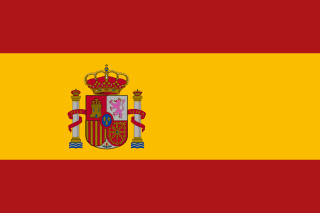
Spain flag

Moving to Spain: visas, cost of living & immigrant guide

Spain flag

Quick Answer

Moving to Spain: this free immigrant guide covers cost of living, visa options, banking, healthcare, laws, and settlement steps for living in Spain. Always confirm rules on the official immigration portal.

Immigration rules and fees change frequently — confirm current requirements on official government or embassy websites.

Moving to Spain offers an active lifestyle, rich culture, and diverse opportunities for individuals and families. If you are relocating for work, study, family reunification, or visiting, understanding the local landscape is important for a easier move. In the first three months, focus on settling in, establishing your routine, and handling local systems. Spain's welcoming environment makes it a popular destination for expatriates, and with universal healthcare and a supportive community, adapting can be easier.\n\nAs you prepare for your move, consider various visa options, such as the Business/Investor Visa, Digital Nomad Visa, or Family/Spouse Visa. Each visa has specific requirements and processes, so confirm your visa status and entry conditions before booking travel. This guide outlines the initial steps of your relocation and helps you settle into your new home.

Last updated 2026-05-17Official immigration portal

Review due soon

MigrantIQ research desk3 min readData confidence: 82/100

16 published visa guides

At a glance: living in Spain

Quick signals for cost of living, salary, healthcare, and safety before you dig into visas and settlement.

Capital

Madrid

Region

Europe (Southern Europe)

Currency

EUR

Cost of Living Index

51.6

Net Monthly Salary

6055

Healthcare

Universal/Beveridge

Safety Index

N/A

Rent Index

23.2

Quality Index

7.0

Cost of living in Spain

Spain's cost of living index is 51.6, indicating moderate living expenses compared to other European countries. The rent index is lower at 23.2, suggesting more affordable housing costs, especially outside major cities like Madrid. With a typical net monthly salary of €6,055, residents generally manage their living expenses comfortably. However, costs can vary significantly by city and region, so research specific areas to understand your potential expenditures.

Spain country profile

In-depth facts & data for living in Spain on this page· Updated 2026-06-02

8 sections

Spain is comprised of portions of the Iberian mainland, the Balearic Islands and the Canary Islands, and the enclaves of Ceuta and Melilla on the North African coast. Spain’s most striking topographical features are its elevated central plateau and its internal division by mountain and river barriers. The peninsula ris…

For planning only. Always verify immigration and legal rules on official government sites.

Demographics & population in Spain

Population size, age structure, migration, ethnicity, language, education, and health indicators.

Demographics & population in Spain: planning notes

314 words of country-specific briefing for moving to Spain. Figures that affect visas or tax should still be checked on official sites.

Demographics & population in Spain for people weighing a move, not a tourist recap. The notes below use Spain-specific planning fields. Detailed profile figures sit in the Key facts section under this topic.

Spain sits in Southern Europe, Europe, with Madrid as the capital. Common working and school languages in the dataset include Castilian Spanish (official nationwide) 74%, Catalan (official in Catalonia, the Balearic Islands, and the Valencian Community (where it is known as Valencian)) 17%, Galician (official in Galicia) 7%, Basque (official in the Basque Country and in the Basque-speaking area of Navarre) 2%, Aranese (official in the northwest corner of Catalonia (Vall d'Aran) along with Catalan, <5, 000 speakers), note - Aragonese, Aranese Asturian, Basque, Calo, Catalan, Galician and and Valencian are recognized as regional languages under the European Charter for Regional or Minority Languages. English proficiency is listed as medium. Population and age figures on this page are planning signals, not a substitute for census releases or visa eligibility rules.

Spain is comprised of portions of the Iberian mainland, the Balearic Islands and the Canary Islands, and the enclaves of Ceuta and Melilla on the North African coast. Spain's most striking to

Early practical steps people actually use in Spain include: Confirm visa status and entry conditions before booking travel; Prepare temporary housing and proof of address where required; Set up local phone, banking, tax, and health coverage steps; Save emergency numbers, official portals, and scam-reporting channels. Treat the list as a reminder, not a filing checklist.

When a number on this page could change a visa or tax outcome, open https://extranjeros.inclusion.gob.es/ (Ministerio de Inclusión, Seguridad Social y Migraciones) and match the current instruction. MigrantIQ is a planning aid, not a government filing system.

Key facts for this topic cover: Population overview; Age & family; Migration; Ethnicity & language; Education; Health & living conditions. Expand each card for the structured figures.

Key facts: demographics & population

6 facts — expand for details.

12 facts — expand for details.

Net Migration Rate - migrant(s)/1,000 population

4.1

Ethnic Groups

Spanish 84.8%, Moroccan 1.7%, Romanian 1.2%, other 12.3%

Language Note

Castilian Spanish (official nationwide) 74%, Catalan (official in Catalonia, the Balearic Islands, and the Valencian Community (where it is known as Valencian)) 17%, Galician (official in Galicia) 7%, Basque (official in the Basque Country and in the Basque-speaking area of Navarre) 2%, Aranese (official in the northwest corner of Catalonia (Vall d'Aran) along with Catalan, <5,000 speakers)

note - Aragonese, Aranese Asturian, Basque, Calo, Catalan, Galician, and Valencian are recognized as regional languages under the European Charter for Regional or Minority Languages

Nationality Noun
  • noun: Spaniard(s)
  • adjective: Spanish

6 facts — expand for details.

12 facts — expand for details.

Economy in Spain

GDP, employment, industries, public finance, and currency.

Economy in Spain: planning notes

225 words of country-specific briefing for moving to Spain. Figures that affect visas or tax should still be checked on official sites.

Economy in Spain for people weighing a move, not a tourist recap. The notes below use Spain-specific planning fields. Detailed profile figures sit in the Key facts section under this topic.

People comparing Spain with other destinations usually start with wages, rent, and tax, not headline GDP. GDP per capita in the planning dataset is about 35,200. Recent growth is listed at 3.1 percent. Unemployment is listed at 26 percent. A typical net monthly salary signal is 6,055. The cost-of-living index is 52. The rent index is 23. A city-centre 1-bed rent signal is 742. A monthly groceries signal is 253. Purchasing-power index: 104. Quality-of-life index: 7. Local currency code: EUR. City prices vary, and these indexes do not replace a job offer or a proof-of-funds check.

Spain is comprised of portions of the Iberian mainland, the Balearic Islands and the Canary Islands, and the enclaves of Ceuta and Melilla on the North African coast. Spain's most striking to

When a number on this page could change a visa or tax outcome, open https://extranjeros.inclusion.gob.es/ (Ministerio de Inclusión, Seguridad Social y Migraciones) and match the current instruction. MigrantIQ is a planning aid, not a government filing system.

Key facts for this topic cover: Economic overview; GDP & growth; Prices & money; Employment & labor; Labor by occupation; Public finance. Expand each card for the structured figures.

Key facts: economy

4 facts — expand for details.

9 facts — expand for details.

5 facts — expand for details.

5 facts — expand for details.

3 facts — expand for details.

4 facts — expand for details.

Government & politics in Spain

Government structure, legal system, citizenship, and international relations.

Government & politics in Spain: planning notes

241 words of country-specific briefing for moving to Spain. Figures that affect visas or tax should still be checked on official sites.

Government & politics in Spain for people weighing a move, not a tourist recap. The notes below use Spain-specific planning fields. Detailed profile figures sit in the Key facts section under this topic.

Spain's government and legal structure matters for visas, ID, tax residence, and later naturalization. The immigration authority in our records is Ministerio de Inclusión, Seguridad Social y Migraciones. Confirm current forms and fees on https://extranjeros.inclusion.gob.es/. In the planning dataset, permanent residence is listed at 52 years of qualifying stay; citizenship is listed at 102 years; dual citizenship is listed as restricted.

Spain is comprised of portions of the Iberian mainland, the Balearic Islands and the Canary Islands, and the enclaves of Ceuta and Melilla on the North African coast. Spain's most striking to

Early practical steps people actually use in Spain include: Confirm visa status and entry conditions before booking travel; Prepare temporary housing and proof of address where required; Set up local phone, banking, tax, and health coverage steps; Save emergency numbers, official portals, and scam-reporting channels. Treat the list as a reminder, not a filing checklist.

When a number on this page could change a visa or tax outcome, open https://extranjeros.inclusion.gob.es/ (Ministerio de Inclusión, Seguridad Social y Migraciones) and match the current instruction. MigrantIQ is a planning aid, not a government filing system.

Key facts for this topic cover: Identity & names; Political system; Capital & time; International role. Expand each card for the structured figures.

Key facts: government & politics

7 facts — expand for details.

10 facts — expand for details.

4 facts — expand for details.

4 facts — expand for details.

Geography & environment in Spain

Location, land area, terrain, climate, and natural resources.

Geography & environment in Spain: planning notes

159 words of country-specific briefing for moving to Spain. Figures that affect visas or tax should still be checked on official sites.

Geography & environment in Spain for people weighing a move, not a tourist recap. The notes below use Spain-specific planning fields. Detailed profile figures sit in the Key facts section under this topic.

Spain's capital is Madrid in Southern Europe, Europe. Traffic keeps to the right. Geography here is for settlement planning: climate, distance to work, and which city you can actually afford, not a travel brochure.

Spain is comprised of portions of the Iberian mainland, the Balearic Islands and the Canary Islands, and the enclaves of Ceuta and Melilla on the North African coast. Spain's most striking to

When a number on this page could change a visa or tax outcome, open https://extranjeros.inclusion.gob.es/ (Ministerio de Inclusión, Seguridad Social y Migraciones) and match the current instruction. MigrantIQ is a planning aid, not a government filing system.

Key facts for this topic cover: Location & size; Physical geography; Climate & time; Climate; Environment. Expand each card for the structured figures.

Key facts: geography & environment

8 facts — expand for details.

6 facts — expand for details.

Time Zone

UTC+1 (6 hours ahead of Washington, DC, during Standard Time) time zone note: Spain has two time zones, including the Canary Islands (UTC 0)

Daylight saving time

+1hr, begins last Sunday in March; ends last Sunday in October

5 facts — expand for details.

Environment - Current Issues
  • pollution of the Mediterranean Sea from raw sewage and effluents from the offshore production of oil and gas
  • water quality and quantity nationwide
  • air pollution
  • deforestation
  • desertification
Environment - International Agreements

party to: Air Pollution, Air Pollution-Nitrogen Oxides, Air Pollution-Sulfur 94, Air Pollution-Volatile Organic Compounds, Antarctic-Environmental Protocol, Antarctic-Marine Living Resources, Antarctic Treaty, Biodiversity, Climate Change, Climate Change-Kyoto Protocol, Desertification, Endangered Species, Environmental Modification, Hazardous Wastes, Law of the Sea, Marine Dumping, Marine Life Conservation, Ozone Layer Protection, Ship Pollution, Tropical Timber 83, Tropical Timber 94, Wetlands, Whaling signed, but not ratified: Air Pollution-Persistent Organic Pollutants

Trade in Spain

Imports, exports, and trading partners.

Trade in Spain: planning notes

162 words of country-specific briefing for moving to Spain. Figures that affect visas or tax should still be checked on official sites.

Trade in Spain for people weighing a move, not a tourist recap. The notes below use Spain-specific planning fields. Detailed profile figures sit in the Key facts section under this topic.

Trade figures for Spain help explain which industries hire, which ports matter, and how imported goods show up in grocery prices. Settlements and contracts usually run in EUR. They are not a visa pathway. Work permission still depends on the destination's immigration rules.

Spain is comprised of portions of the Iberian mainland, the Balearic Islands and the Canary Islands, and the enclaves of Ceuta and Melilla on the North African coast. Spain's most striking to

When a number on this page could change a visa or tax outcome, open https://extranjeros.inclusion.gob.es/ (Ministerio de Inclusión, Seguridad Social y Migraciones) and match the current instruction. MigrantIQ is a planning aid, not a government filing system.

Key facts for this topic cover: Trade overview; Trading partners; Partners (summary). Expand each card for the structured figures.

Key facts: trade

4 facts — expand for details.

Top Export Partners

France 17.8%, Germany 10.6%, Portugal 8.3%, Italy 8.3%, UK 6.7%

Top Import Partners

Germany 13%, France 11.8%, Italy 6.7%, China 5.8%, Netherlands 5%, UK 4.5%

Export Partners

France 17.8%, Germany 10.6%, Portugal 8.3%, Italy 8.3%, UK 6.7%

Import Partners

Germany 13%, France 11.8%, Italy 6.7%, China 5.8%, Netherlands 5%, UK 4.5%

Travel & safety in Spain

Safety, crime, medical care, and travel conditions for visitors and newcomers.

Travel & safety in Spain: planning notes

237 words of country-specific briefing for moving to Spain. Figures that affect visas or tax should still be checked on official sites.

Travel & safety in Spain for people weighing a move, not a tourist recap. The notes below use Spain-specific planning fields. Detailed profile figures sit in the Key facts section under this topic.

Safety in Spain is local. Neighbourhood, night transport, and documentation checks matter more than a single country score. Tap water is listed as generally safe in the planning dataset. Healthcare system type: Universal/Beveridge. Immigrant health access note: Full. Health coverage waiting period in the dataset: 0 days. Read current travel advice from your origin government before you book.

Spain is comprised of portions of the Iberian mainland, the Balearic Islands and the Canary Islands, and the enclaves of Ceuta and Melilla on the North African coast. Spain's most striking to

Early practical steps people actually use in Spain include: Confirm visa status and entry conditions before booking travel; Prepare temporary housing and proof of address where required; Set up local phone, banking, tax, and health coverage steps; Save emergency numbers, official portals, and scam-reporting channels. Treat the list as a reminder, not a filing checklist.

When a number on this page could change a visa or tax outcome, open https://extranjeros.inclusion.gob.es/ (Ministerio de Inclusión, Seguridad Social y Migraciones) and match the current instruction. MigrantIQ is a planning aid, not a government filing system.

Key facts for this topic cover: Before you travel; Crime & law; Health & roads. Expand each card for the structured figures.

Key facts: travel & safety

2 facts — expand for details.

2 facts — expand for details.

2 facts — expand for details.

Infrastructure in Spain

Transport, communications, and energy.

Infrastructure in Spain: planning notes

163 words of country-specific briefing for moving to Spain. Figures that affect visas or tax should still be checked on official sites.

Infrastructure in Spain for people weighing a move, not a tourist recap. The notes below use Spain-specific planning fields. Detailed profile figures sit in the Key facts section under this topic.

Infrastructure in Spain affects commute time, remote work, and whether a city is livable in the first 90 days. Typical internet speed in the dataset is 160 Mbps. Airports, rail, and roads on this page are inventory, not a promise that your neighbourhood is well served.

Spain is comprised of portions of the Iberian mainland, the Balearic Islands and the Canary Islands, and the enclaves of Ceuta and Melilla on the North African coast. Spain's most striking to

When a number on this page could change a visa or tax outcome, open https://extranjeros.inclusion.gob.es/ (Ministerio de Inclusión, Seguridad Social y Migraciones) and match the current instruction. MigrantIQ is a planning aid, not a government filing system.

Key facts for this topic cover: Transportation; Pipelines; Communications; Energy. Expand each card for the structured figures.

Key facts: infrastructure

7 facts — expand for details.

3 facts — expand for details.

7 facts — expand for details.

13 facts — expand for details.

National symbols in Spain

Anthem and national symbols.

National symbols in Spain: planning notes

145 words of country-specific briefing for moving to Spain. Figures that affect visas or tax should still be checked on official sites.

National symbols in Spain for people weighing a move, not a tourist recap. The notes below use Spain-specific planning fields. Detailed profile figures sit in the Key facts section under this topic.

National symbols for Spain are background for civic life and ceremonies. They do not change visa rules. Use the government and visa pages for status, work, and stay conditions.

Spain is comprised of portions of the Iberian mainland, the Balearic Islands and the Canary Islands, and the enclaves of Ceuta and Melilla on the North African coast. Spain's most striking to

When a number on this page could change a visa or tax outcome, open https://extranjeros.inclusion.gob.es/ (Ministerio de Inclusión, Seguridad Social y Migraciones) and match the current instruction. MigrantIQ is a planning aid, not a government filing system.

Key facts for this topic cover: National anthem. Expand each card for the structured figures.

Key facts: national symbols

Anthem History

La Marcha Real (English: The Royal March) is the national anthem of Spain. La Marcha Real has no lyrics

Verified immigration updates for Spain

Government jobs in Spain

All government jobs for Spain

Official languages in Spain

Castilian Spanish (official nationwide) 74%Catalan (official in Cataloniathe Balearic Islandsand the Valencian Community (where it is known as Valencian)) 17%Galician (official in Galicia) 7%Basque (official in the Basque Country and in the Basque-speaking area of Navarre) 2%Aranese (official in the northwest corner of Catalonia (Vall d'Aran) along with Catalan<5000 speakers)note - AragoneseAranese AsturianBasqueCaloCatalanGalicianand Valencian are recognized as regional languages under the European Charter for Regional or Minority Languages

Official links for Spain

The official immigration portal for Spain is essential for obtaining accurate information and necessary forms. Be cautious of lookalike sites that may charge fees for services available for free through official channels.

Newcomer checklist for Spain

  • Prepare temporary housing and proof of address where required.
  • Set up local phone, banking, tax, and health coverage steps.
  • Save emergency numbers, official portals, and scam-reporting channels.
  • Register with the local municipality upon arrival.
  • Open a local bank account to manage finances effectively.
  • Learn about local transportation options.
  • Join local expat groups for support and networking.

Local services & setup in Spain

Healthcare access: Full

Health waiting period: 0 day(s)

Settlement funds & financial notes for Spain

Settlement funds: Non-Lucrative: EUR 28,800/year passive income or equivalent savings. Digital Nomad: EUR 2,520/month income. Golden Visa: EUR 500,000+ investment. No specific savings requirement for work visas beyond the consulate's assessment of sufficient means.

Spain uses a 14-payment salary system — annual salary is divided into 14 payments (12 months + 2 extra 'pagas' in June and December). When comparing salaries, always check if the quoted figure is for 12 or 14 payments. Social security contributions for autonomos are a fixed monthly cost (~EUR 300-380/month after the first-year discount). Healthcare is included with social security contributions for employed and self-employed workers. Every document needs an apostille and sworn translation (traduccion jurada): EUR 50-150 per document.

When relocating to Spain, demonstrate proof of funds to support your living expenses. Setting up a local bank account will help facilitate transactions and manage finances. Understanding local tax obligations and health coverage options will aid in your integration into Spanish society. Learn about local banking procedures and required documentation to avoid delays.

Cost of living by city in Spain

Monthly living-cost signals in EUR. Figures are planning estimates — rent and lifestyle vary by neighbourhood.

CitySingle monthly (EUR)Family monthly (EUR)1BR center (EUR)
Valencia€1,600€2,700€850
Madrid€2,100€3,500€1,200
Barcelona€2,200€3,600€1,300

Take-home pay in Spain (2026)

Educational wage-tax examples from the MigrantIQ tax calculator in EUR. Not filing software — confirm with official rules and a licensed adviser.

Entry / mid offer

Gross €40,000

€26,939net / year

~€2,245 / month · effective 32.7%

Solid mid career

Gross €75,000

€45,549net / year

~€3,796 / month · effective 39.3%

High earner

Gross €150,000

€81,999net / year

~€6,833 / month · effective 45.3%

Open Spain tax calculator → · compare take-home vs other destinations

Country hub: /countries/spain/ · Tax year 2026. State or provincial tax may apply on top of federal models.

Who qualifies best for Spain

  • Healthcare WorkersModerate

    Best visa: Work Visa (employer-sponsored)

  • InvestorsModerate

    Best visa: Golden Visa (if available) or Entrepreneur Visa

  • Remote WorkersEasy

    Best visa: Digital Nomad Visa

  • RetireesEasy

    Best visa: Non-Lucrative Visa

  • Skilled TradesHard

    Best visa: Work Visa or Self-Employment (Autonomo)

  • Tech WorkersModerate

    Best visa: Digital Nomad Visa (remote) or Work Visa (local employment)

  • work

    Ideal for professionals seeking career opportunities in diverse industries.

  • family

    Great for families looking to reunite or start a new life together.

  • study

    Perfect for students seeking quality education in a multicultural environment.

Official vs reality when moving to Spain

Bureaucracy (Cita Previa)

Official: Appointments available through online booking system

Reality: Spanish bureaucracy is the defining challenge. The 'cita previa' (appointment) system is chronically overloaded. Getting an appointment at the Extranjeria (immigration office) can take weeks or months. Some people use bots or services to secure appointments. Budget extra time for every administrative step.

Golden Visa Future

Official: Golden Visa program is active with EUR 500,000 real estate minimum

Reality: The Golden Visa may not exist by the time you read this. The Spanish government has signaled strong intent to eliminate the real estate route. Do not build your emigration plan solely around this program. Verify current legislative status via BOE before investing.

Job Market Networking

Official: Apply for jobs through normal channels

Reality: Spain's economy runs on personal relationships. Getting a job often requires networking, local connections, and speaking Spanish fluently. Online applications alone rarely work for non-EU nationals. The labor market test adds another hurdle for work visa applications.

NIE and Empadronamiento

Official: Standard registration process

Reality: The NIE (tax identification number) and empadronamiento (municipal registration) are required for almost everything — bank accounts, phone contracts, rental agreements. Getting these set up should be your absolute first priority upon arrival. Without them, you are administratively invisible.

Overlooking Visa Requirements

Many newcomers underestimate the importance of understanding their visa requirements. Failing to comply with specific conditions can complicate your residency status. Always check the latest regulations on the official immigration portal.

Neglecting Local Culture

Some expatriates may forget to immerse themselves in the local culture. Understanding social norms and customs is important for building relationships and feeling at home. Engage with locals and participate in community events.

Ignoring Language Barriers

While many Spaniards speak English, especially in urban areas, not knowing Spanish can hinder your experience. Consider taking language classes to improve communication and navigate daily life more effectively.

Sources & references for Spain

Country data is a planning aid. Official government sources override MigrantIQ summaries for immigration, legal, tax, health, and emergency rules.

  • MigrantIQ country profile

    Summary profile maintained for planning. Last updated 2026-05-07.

  • World Bank and public data sources

    Used for economic and country-level indicators where available.

  • Numbeo and public cost datasets

    Used for cost-of-living signals for Spain where available.

Foreign embassies in Spain

548 active diplomatic missions in our directory. Sample listings below.

Browse all embassies in Spain

Feedback

Was this guide helpful?

Your answer helps us improve guides and update priority.

Summarize this page with AI

Opens your assistant with a pre-filled prompt (ChatGPT, Perplexity, Claude). Gemini uses Google AI Mode.

Not affiliated with any AI platform. Always verify immigration rules on official government sites.

Frequently asked questions about moving to Spain

Spain has a universal healthcare system that provides full access to residents. Healthcare services are available to everyone, regardless of immigration status, ensuring you can receive medical attention when needed.

Finding housing in Spain can be done through various online platforms, real estate agents, or local listings. It's advisable to visit potential neighborhoods in person to get a feel for the area before making a decision.

Spain offers a variety of cities that cater to different lifestyles. Madrid is the capital with a active culture, while Barcelona is known for its art and architecture. Smaller cities like Valencia and Seville also provide unique experiences and may be more affordable.

Related Spain Guides

Share MigrantIQ

Help others find free migration guides, Q&A, checklists, and scam alerts.

Plan smarter

Save countries, compare destinations, track visa checklists, and sync your migration plan across devices.