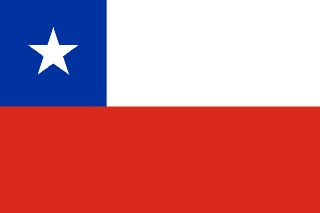
Moving to Chile can be a good fit for families seeking new work, study, or family reunification pathways. With its active culture, stunning landscapes, and diverse cities, Chile offers a range of experiences for newcomers. If you're considering a business venture, pursuing education, or joining family members, understanding the visa process and local customs is essential for a easier move In the first three months. \n\nSantiago, the capital, is a bustling metropolis that serves as a hub for professionals and students alike. However, it's important to be prepared for the realities of life in a new country, including handling the local healthcare system and understanding the cost of living. Familiarizing yourself with local laws and customs will help you integrate more easily into Chilean society, ensuring a successful start to your new life.
Santiago; note - Valparaiso is the seat of the national legislature
Region
Americas (South America)
Currency
CLP
Cost of Living Index
39.0
Net Monthly Salary
3062
Healthcare
Universal/Two-Tier
Safety Index
N/A
Rent Index
11.6
Quality Index
6.5
Chile has a cost of living index of 39, indicating that it is relatively affordable compared to many other countries. The rent index stands at 11.6, suggesting that housing costs are manageable for most newcomers. With a typical net monthly salary of 3062 CLP, many residents find that they can maintain a comfortable lifestyle, although costs can vary significantly depending on the city or region. Santiago, for example, may have higher living costs than smaller towns or rural areas, so it's wise to research specific locations before making any decisions.
Country Profile
In-depth facts & data for Chile· Updated 2026-06-02
8 topics
Chile is a narrow ribbon of land stretching almost 2,700 miles along the southwest coast of South America. Although it is one of the world’s longest countries, its average width is only 110 miles. It is only 250 miles at its widest point. Larger than any European country except Russia, Chile covers an area of 292,257 s…
Spanish 99.5% (official)English 10.2%Indigenous 1% (includes MapudungunAymaraQuechuaRapa Nui)other 2.3%unspecified 0.2%note - shares sum to more than 100% because some respondents gave more than one answer on the census
Official immigration portal for visas, entry rules, and residency steps.
The official portal for the Servicio Nacional de Migraciones is important for accessing accurate information regarding immigration processes and requirements. Beware of lookalike sites that may charge fees for forms that are available for free.
Newcomer Checklist
- Prepare temporary housing and proof of address where required
- Set up local phone, banking, tax, and health coverage steps
- Save emergency numbers, official portals, and scam-reporting channels
- Learn about local customs and cultural norms
- Research public transportation options in your new city
- Open a local bank account to manage finances more effectively
- Explore local markets and grocery stores for familiar and new foods
Local Services & Setup
Healthcare access: Partial
Health waiting period: 30 day(s)
Settlement Funds & Financial Notes
Settlement funds: No formal savings requirement for the Work Visa (employer contract-based). Temporary Residence Visa requires showing approximately USD 1,500-2,000/month of verifiable income or equivalent savings. Student Visa requires USD 500-800/month in provable funds.
Chile's pension system (AFP): all employees contribute 10% of gross salary to individual pension accounts. Health: 7% of gross salary to FONASA (public) or Isapre (private). Unemployment insurance: 0.6% employee + 2.4% employer. Total employee deductions (excluding income tax): approximately 17-18% of gross. Chile's income tax on employment is withheld at source (segunda categoria). Self-employed workers file annually. Chile has tax treaties with several countries — check if your home country has one to avoid double taxation. Budget EUR 1,000-2,500 for immigration attorney fees for the full process.
When settling in Chile, it's important to demonstrate proof of funds to support yourself during your initial period. Setting up a local bank account will help you manage your finances and make transactions easier. understanding the local tax system and health coverage options is essential, as Chile has a universal healthcare system with partial access for immigrants. Ensure you have the necessary documentation ready to facilitate these processes.
City-Level Cost Snapshot
City
Single monthly
Family monthly
1BR center
Valparaiso / Vina del Mar
€1,000
€1,900
€450
Antofagasta (Mining Region)
€1,200
€2,200
€600
Santiago (Providencia / Las Condes / Nunoa)
€1,400
€2,500
€650
Who Qualifies Best
HealthcareModerate
Best visa: Work Visa with Chilean hospital or clinic employer
InvestorsEasy
Best visa: Investor Visa (Visa por Inversion)
Remote WorkersEasy
Best visa: Temporary Residence Visa (Residencia Temporaria)
RetireesModerate
Best visa: Temporary Residence Visa (demonstrating pension/passive income)
Skilled TradesEasy
Best visa: Work Visa
Tech WorkersModerate
Best visa: Work Visa with Chilean employer or Temporary Residence Visa (for remote workers with foreign income)
work
Professionals seeking job opportunities in a growing economy
study
Students looking for quality education in diverse fields
family
Families wanting to reunite with loved ones in Chile
Official vs Reality
Apostille Requirements
Official: Standard document authentication required
Reality: The apostille process for criminal background checks and birth certificates from your home country must be completed before applying. From some countries, this takes 4-8 weeks. Some countries require notarial certification before apostille, adding another step. Factor this lead time into your planning — you need apostilled documents in hand before submitting your Extranjeria application.
Extranjeria Processing Times
Official: Work visa processing: 30 business days
Reality: The Extranjeria online portal has improved processing significantly but 30 business days is an optimistic figure. Real-world processing: 2-4 months for work visas in standard cases, potentially longer if documents require additional verification. The portal can be slow or unavailable. Having a lawyer familiar with the system helps navigate document resubmission requirements. Peak periods (January-March) are slower.
Santiago vs. Regional Chile
Official: Chile offers diverse living options across its geography
Reality: Santiago dominates Chile economically — the vast majority of professional job opportunities are in the capital. Valparaiso and Vina del Mar offer coastal lifestyle options but with a much smaller job market. The Atacama (Norte Grande) offers mining-related opportunities. Patagonia is breathtaking but extremely remote with limited infrastructure. Most immigrants end up in Santiago's middle-class neighborhoods by default.
Security Situation
Official: Chile is one of South America's safer countries
Reality: Chile remains relatively safe by South American standards, but Santiago has seen increased petty crime and organized crime activity in some areas since 2019. Border areas (especially Colchane in the north) have seen migration-related tensions. Wealthier neighborhoods (Las Condes, Vitacura, Lo Barnechea) are genuinely safe. Tourist areas (Bellavista at night, Cerro Santa Lucia) require normal urban precautions. Overall: safer than Colombia, Brazil, or Venezuela, but exercise the same awareness you would in any large Latin American city.
Overlooking Visa Requirements
Many newcomers underestimate the importance of confirming their visa status before arriving. Ensure that you have the correct visa for your intended stay, as entering on the wrong visa can lead to complications.
Neglecting to Research Healthcare Options
While Chile has a universal healthcare system, access for immigrants can be partial. You should understand how to navigate the healthcare system and ensure you have appropriate coverage from the start.
Ignoring Cultural Differences
Cultural integration is key to a successful relocation. Failing to learn about local customs and social norms may lead to misunderstandings or difficulties in building relationships.
Sources & References
Country data is a planning aid. Official government sources override MigrantIQ summaries for immigration, legal, tax, health, and emergency rules.
MigrantIQ country profile
Summary profile maintained for planning. Last updated 2026-05-07.
World Bank and public data sources
Used for economic and country-level indicators where available.
Numbeo and public cost datasets
Used for cost-of-living signals for Chile where available.
Foreign embassies in Chile
182 active diplomatic missions in our directory. Sample listings below.
Your answer helps us improve guides and update priority.
Summarize this page with AI
Opens your assistant with a pre-filled prompt (ChatGPT, Perplexity, Claude). Gemini uses Google AI Mode.
Not affiliated with any AI platform. Always verify immigration rules on official government sites.
Frequently Asked Questions
Chile has a universal healthcare system that offers both public and private options. However, access for immigrants may be partial, and it's important to understand the specifics of your coverage and any waiting periods involved.
Finding housing in Chile can be done through various online platforms, local real estate agents, or community boards. Researching neighborhoods and understanding local rental practices will help you make informed decisions.
Santiago's cost of living can vary widely depending on your lifestyle and location within the city. It's advisable to create a budget based on your salary and research local prices for housing, food, and transportation.