MigrantIQ logoMigrantIQ
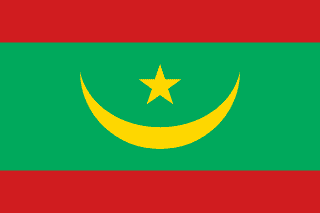
Mauritania flag

Moving to Mauritania: visas, cost of living & immigrant guide

Mauritania flag

Quick Answer

Moving to Mauritania: this free immigrant guide covers cost of living, visa options, banking, healthcare, laws, and settlement steps for living in Mauritania. Always confirm rules on the official immigration portal.

Immigration rules and fees change frequently — confirm current requirements on official government or embassy websites.

Mauritania is a notable destination for those considering relocation, especially for families and individuals looking to work, study, visit, or reunite with family. The capital, Nouakchott, is the main entry point for newcomers. Understanding local culture, customs, and daily life is essential for a easier move. In the first 90 days, focus on securing stable housing, handling local bureaucracy, and integrating into the community. \n\nWhether moving for work, education, or family reasons, being prepared for the unique challenges of Mauritania will help you settle in comfortably. This guide covers key aspects of relocating to Mauritania, including important checklist items, settlement advice, and common pitfalls to avoid. Being well-informed can lead to a successful move to this West African nation.

Last updated 2026-05-17Official immigration portal

Review due soon

MigrantIQ research desk3 min readData confidence: 82/100

6 published visa guides

At a glance: living in Mauritania

Quick signals for cost of living, salary, healthcare, and safety before you dig into visas and settlement.

Capital

Nouakchott

Region

Africa (Western Africa)

Currency

MRO

Cost of Living Index

N/A

Net Monthly Salary

N/A

Healthcare

Out-of-Pocket

Safety Index

N/A

Rent Index

N/A

Quality Index

N/A

Cost of living in Mauritania

Specific cost of living and rent indexes for Mauritania are not available. Costs can vary significantly by city and region, with urban areas like Nouakchott typically having higher living expenses than rural areas. For a clearer picture of living costs, consult local resources or expatriate communities. \n\nAverage net monthly salary information is also not available, making it difficult to assess income levels. Prospective migrants should research local job markets and salary expectations to plan their finances effectively.

Mauritania country profile

In-depth facts & data for living in Mauritania on this page· Updated 2026-06-02

8 sections

The Islamic Republic of Mauritania is situated on the Atlantic Ocean in northwest Africa. Mauritania shares its long northern border with the former Spanish Sahara, now the Western Sahara. Spain relinquished control of this area to Morocco in 1976, but its political status is still unresolved. Mauritania has three dist…

For planning only. Always verify immigration and legal rules on official government sites.

Demographics & population in Mauritania

Population size, age structure, migration, ethnicity, language, education, and health indicators.

Demographics & population in Mauritania: planning notes

648 words of country-specific briefing for moving to Mauritania. Figures that affect visas or tax should still be checked on official sites.

Demographics & population in Mauritania for people weighing a move, not a tourist recap. The notes below use the country profile dataset plus Mauritania-specific planning fields. Where a figure is missing, that gap is left open instead of filled with a guess.

Population overview figures for Mauritania: For Mauritania, population is listed as 4,005,475. For Mauritania, population growth rate is listed as 2.29%. For Mauritania, urban population is listed as 41.500000. For Mauritania, population in major urban areas is listed as NOUAKCHOTT (capital) 786,000.

Age & family figures for Mauritania: For Mauritania, age structure is listed as 38.870000. For Mauritania, median age is listed as 19.800000. For Mauritania, birth rate - births/1,000 population is listed as 32. For Mauritania, death rate - deaths/1,000 population is listed as 8.5. For Mauritania, total fertility rate - children born/woman is listed as 4.15. For Mauritania, contraceptive prevalance rate - female 12-49 is listed as 9.3%. For Mauritania, contraceptive prevalence rate - female 12-49 is listed as 9.3%. For Mauritania, mean age for mother's first birth (age 25-49) is listed as 21.9. For Mauritania, mother's mean age at first birth is listed as 21.9. For Mauritania, sex ratio at birth - male/female is listed as 1.030000.

Migration figures for Mauritania: For Mauritania, net migration rate - migrant(s)/1,000 population is listed as -0.87.

Ethnicity & language figures for Mauritania: For Mauritania, ethnic groups is listed as mixed Maur/black 40%, Maur 30%, black 30%. For Mauritania, nationality noun is listed as Mauritanian(s).

Education figures for Mauritania: For Mauritania, literacy - total population is listed as 51.2%. For Mauritania, literacy - male is listed as 51.8%. For Mauritania, literacy - female is listed as 31.9%. For Mauritania, literacy definition is listed as age 15 and over can read and write. For Mauritania, education expenditures - percent of gdp is listed as 3.7%. For Mauritania, total school life expectancy - (primary to tertiary) is listed as 8.000000.

Health & living conditions figures for Mauritania: For Mauritania, life expectancy at birth is listed as 61.910000. For Mauritania, infant mortality rate is listed as 57.480000. For Mauritania, infant mortality rate - total deaths/1,000 live births is listed as 57.480000. For Mauritania, maternal mortality rate - deaths/100,000 live births is listed as 510. For Mauritania, physicians density - physicians/1,000 population is listed as.13. For Mauritania, hospital bed density - beds/1,000 population is listed as.4. For Mauritania, health expenditures - percent of gdp is listed as 5.4%. For Mauritania, major infectious diseases - degree of risk is listed as very high. For Mauritania, obesity - adult prevalence rate is listed as 12.7%. For Mauritania, drinking water source - percent of urban population improved is listed as 52.300000. For Mauritania, sanitation facility access - percent of urban population improved is listed as 51.100000. For Mauritania, underweight - percent of children under five years is listed as 19.5%.

Mauritania sits in Western Africa, Africa, with Nouakchott as the capital. Common working and school languages in the dataset include Hassaniya Arabic (official), Pulaar, Soninke, Wolof (official) and French. English proficiency is listed as medium. Population and age figures on this page are planning signals, not a substitute for census releases or visa eligibility rules.

The Islamic Republic of Mauritania is situated on the Atlantic Ocean in northwest Africa. Mauritania shares its long northern border with the former Spanish Sahara, now the Western Sahara. Sp

Early practical steps people actually use in Mauritania include: Confirm visa status and entry conditions before booking travel; Prepare temporary housing and proof of address where required; Set up local phone, banking, tax, and health coverage steps; Save emergency numbers, official portals, and scam-reporting channels. Treat the list as a reminder, not a filing checklist.

When a number on this page could change a visa or tax outcome, open https://www.interieur.gov.mr/ (Ministère de l'Intérieur Mauritanie) and match the current instruction. MigrantIQ is a planning aid, not a government filing system.

Key facts: demographics & population

4 facts — expand for details.

10 facts — expand for details.

Net Migration Rate - migrant(s)/1,000 population

-0.87

Ethnic Groups

mixed Maur/black 40%, Maur 30%, black 30%

Nationality Noun

Mauritanian(s)

6 facts — expand for details.

12 facts — expand for details.

Economy in Mauritania

GDP, employment, industries, public finance, and currency.

Economy in Mauritania: planning notes

845 words of country-specific briefing for moving to Mauritania. Figures that affect visas or tax should still be checked on official sites.

Economy in Mauritania for people weighing a move, not a tourist recap. The notes below use the country profile dataset plus Mauritania-specific planning fields. Where a figure is missing, that gap is left open instead of filled with a guess.

Economic overview in Mauritania. Mauritania's economy is dominated by extractive industries (oil and mines), fisheries, livestock, agriculture, and services.

Half the population still depends on farming and raising livestock, even though many nomads and subsistence farmers were forced into the cities by recurrent droughts in the 1970s, 1980s, 2000s, and 2017.

Recently, GDP growth has been driven largely by foreign investment in the mining and oil sectors.

Mauritania's extensive mineral resources include iron ore, gold, copper, gypsum, and phosphate rock, and exploration is ongoing for tantalum, uranium, crude oil, and natural gas.

Extractive commodities make up about three-quarters of Mauritania's total exports, subjecting the economy to price swings in world commodity markets.

Mining is also a growing source of government revenue, rising from 13% to 30% of total revenue from 2006 to 2014.

The nation's coastal waters are among the richest fishing areas in the world, and fishing accounts for about 15% of budget revenues, 45% of foreign currency earnings.

Mauritania processes a total of 1,800,000 tons of fish per year, but overexploitation by foreign and national fleets threaten the sustainability of this key source of revenue.

The economy is highly sensitive to international food and extractive commodity prices.

Other risks to Mauritania's economy include its recurring droughts, dependence on foreign aid and investment, and insecurity in neighboring Mali, as well as significant shortages of infrastructure, institutional capacity, and human capital.

In December 2017, Mauritania and the IMF agreed to a three year agreement under the Extended Credit Facility to foster economic growth, maintain macroeconomic stability, and reduce poverty.

Investment in agriculture and infrastructure are the largest components of the country's public expenditures.

Economic overview figures for Mauritania: For Mauritania, industries is listed as fish processing, mining of iron ore and gypsum. For Mauritania, gdp - per capita (ppp) is listed as $4,500.00 (USD). For Mauritania, gdp - real growth rate is listed as 4.1%.

GDP & growth figures for Mauritania: For Mauritania, gdp - gross domestic product (ppp) is listed as $23,170,000,000 (USD). For Mauritania, gdp per capita is listed as $4,500.00 (USD). For Mauritania, gdp - real growth rate is listed as 4.1%. For Mauritania, gdp - official exchange rate is listed as $4,677,000,000 (USD). household consumption: 50.6% government consumption: 30.7% investment in fixed capital: 41% investment in inventories: 6.6% exports of goods and services: 24.3% imports of goods and services: -53.2% For Mauritania, gdp by sector- agriculture is listed as 23.2%. For Mauritania, gdp by sector- industry is listed as 37.4%. For Mauritania, gdp by sector- services is listed as 39.4%. For Mauritania, industrial growth rate is listed as 2%.

Prices & money figures for Mauritania: For Mauritania, inflation rate is listed as 7.3%. For Mauritania, exchange rate per us dollar is listed as ouguiya (MRO). For Mauritania, currency name and code is listed as Ouguiya (MRO). For Mauritania, fiscal year is listed as calendar year. For Mauritania, commercial bank prime lending rate is listed as 18%.

Employment & labor figures for Mauritania: For Mauritania, labor force is listed as 1,318,000. For Mauritania, unemployment rate is listed as 30%. For Mauritania, major industries is listed as fish processing, mining of iron ore and gypsum. For Mauritania, agriculture products is listed as dates, millet, sorghum, rice, corn, dates; cattle, sheep. For Mauritania, population below poverty line is listed as 40%. For Mauritania, child labor - # of children ages 5-14 is listed as 127,251. For Mauritania, child labor - % of children ages 5-14 is listed as 16%.

Labor by occupation figures for Mauritania: For Mauritania, labor force by occupation- agriculture is listed as 50%. For Mauritania, labor force by occupation- industry is listed as 2%. For Mauritania, labor force by occupation- services is listed as 48%.

Public finance figures for Mauritania: For Mauritania, annual budget is listed as $770,000,000 (USD). For Mauritania, budget surplus or deficit - percent of gdp is listed as -0.6%. For Mauritania, taxes and other revenues - percent of gdp is listed as 40.1%.

People comparing Mauritania with other destinations usually start with wages, rent, and tax, not headline GDP. GDP per capita in the planning dataset is about 4,500. Recent growth is listed at 4.1 percent. Unemployment is listed at 30 percent. A typical net monthly salary signal is 0. A city-centre 1-bed rent signal is 0. A monthly groceries signal is 0. Local currency code: MRO. City prices vary, and these indexes do not replace a job offer or a proof-of-funds check.

The Islamic Republic of Mauritania is situated on the Atlantic Ocean in northwest Africa. Mauritania shares its long northern border with the former Spanish Sahara, now the Western Sahara. Sp

When a number on this page could change a visa or tax outcome, open https://www.interieur.gov.mr/ (Ministère de l'Intérieur Mauritanie) and match the current instruction. MigrantIQ is a planning aid, not a government filing system.
Key facts: economy

4 facts — expand for details.

9 facts — expand for details.

5 facts — expand for details.

7 facts — expand for details.

3 facts — expand for details.

Annual Budget

$770,000,000 (USD)

Budget Surplus or Deficit - percent of GDP

-0.6%

Taxes and other revenues - percent of GDP

40.1%

Government & politics in Mauritania

Government structure, legal system, citizenship, and international relations.

Government & politics in Mauritania: planning notes

1,529 words of country-specific briefing for moving to Mauritania. Figures that affect visas or tax should still be checked on official sites.

Government & politics in Mauritania for people weighing a move, not a tourist recap. The notes below use the country profile dataset plus Mauritania-specific planning fields. Where a figure is missing, that gap is left open instead of filled with a guess.

Identity & names in Mauritania. named for the ancient kingdom of Mauretania (3rd century B.C. to 1st century A.D.) and the subsequent Roman province (1st-7th centuries A.D.), which existed further north in present-day Morocco

the name derives from the Mauri (Moors), the Berber-speaking peoples of northwest Africa

Identity & names figures for Mauritania: For Mauritania, full country name is listed as Islamic Republic of Mauritania. For Mauritania, country name is listed as Mauritania. For Mauritania, local - long is listed as Al Jumhuriyah al Islamiyah al Muritaniyah. For Mauritania, local - short is listed as Muritaniyah. named for the ancient Kingdom of Mauretania (3rd century B.C. to 1st century A.D.), which existed further north in present-day Morocco; the name derives from the Mauri (Moors), the Berber-speaking peoples of northwest Africa For Mauritania, independence is listed as 28 November 1960 (from France). For Mauritania, national holiday is listed as Independence Day, 28 November (1960).

Political system in Mauritania. - **history:** previous 1964; latest adopted 12 July 1991 - **amendments:** proposed by the president of the republic or by Parliament; consideration of amendments by Parliament requires approval of at least one third of the membership; a referendum is held only if the amendment is approved by two-thirds majority vote; passage by referendum requires simple majority vote by eligible voters; passage of amendments proposed by the president can bypass a referendum if approved by at least three-fifths majority vote by Parliament; amended 2006, 2012, 2017

- **chief of state:** President Mohamed Ould Cheikh el GHAZOUANI (since 1 August 2019) - **head of government:** Prime Minister Moctar Ould DIAY (since 2 August 2024) - **cabinet:** Council of Ministers nominees suggested by the prime minister, appointed by the president election/appointment - **process:** president directly elected by absolute-majority popular vote in 2 rounds, if needed, for a 5-year term (eligible for a second term); prime minister appointed by the president most recent election - **date:** 29 June 2024 - **election results:** 2024: Mohamed Ould Cheikh el GHAZOUANI reelected president in first round; percent of vote - Mohamed Ould Cheikh el GHAZOUANI (UPR) 56.1%, Biram Dah Ould ABEID (independent) 22.1%, Hamadi Sidi el MOKHTAR independent) 12.8%, other 9.0% 2019: Mohamed Ould Cheikh el GHAZOUANI elected president in first round; percent of vote - Mohamed Ould Cheikh el GHAZOUANI (UPR) 52%, Biram Dah Ould ABEID (independent) 18.6%, Sidi Mohamed Ould BOUBACAR (independent) 17.9%, other 11.5% expected date of next - **election:** June 2029

- **description:** unicameral Parliament or Barlamane consists of the National Assembly or Al Jamiya Al Wataniya (176 seats statutory; 88 members filled from one or two seat constituencies elected by a two-round majority system and the other 88 members filled from a single, nationwide constituency directly elected by proportional representation vote); 20 seats are reserved for women candidates in the nationwide constituency, 11 seats are reserved for young candidates (aged between 25 and 35), and 4 members directly elected by the diaspora; all members serve 5-year terms - **elections:** last held in 2 rounds on 13 and 27 May 2023 (next to be held in May 2028) - **election results:** National Assembly - percent of vote by party - NA; seats by party - El INSAF 107, Tawassoul 11, UDP 10, FRUD (Republican Front for Unity and Democracy) 7, El Islah (Reformist Party) 6, National Democratic Alliance (AND) 6, El Karama (Dignity Party) 5, Nida Al-Watan 5, Sawab 5, Alliance for Justice and Democracy/Movement for Renewal 4, Hiwar 3, Mauritanian Party for Union and Change (HATEM) 3, El Vadila (Party of Virtue) 2, Union for Planning and Construction (UPC) 1, Party of the Mauritanian Masses (Hakam) 1; composition - men, 135, women 41, percent of women elected 23.3% note - the early parliamentary elections in 2023 were the first to be held under President Mohamed Ould Cheikh El Ghazouani, elected in 2019 in a first peaceful transition of power; the elections followed the agreement between the government and parties in September 2022 to renew the Independent National Electoral Commission (CENI) and hold the elections in the first semester of 2023 for climatic and logistical reasons

- **chambers:** 2 civil, 2 labor, 1 commercial, 1 administrative, and 1 criminal, each with a chamber president and 2 councilors); Constitutional Council (consists of 9 members); High Court of Justice (consists of 9 members) judge selection and term of - **office:** Supreme Court president appointed by the president of the republic to serve a 5-year renewable term; Constitutional Council members appointed - 3 by the president of the republic, 2 by the president of the National Assembly, 1 by the prime minister, 1 by the leader of the democratic opposition, 1 by the largest opposition party in the National Assembly, and 1 by the second largest party in the National Assembly; members serve single, 9-year terms with one-third of membership renewed every 3 years; High Court of Justice members appointed by Parliament - 6 by the ruling Coalition of Majority Parties and 3 by opposition parties subordinate - **courts:** Courts of Appeal; courts of first instance or wilya courts are established in the regions' headquarters and include commercial and labor courts, criminal courts, Moughataa (district) Courts, and informal/customary courts

Alliance for Justice and Democracy/Movement for Renewal or AJD/MR [Ibrahima Moctar SARR] El Insaf or Equity Party [Mohamed Melainine Ould EYIH] El Islah Party [Mohamed Ould TALEBNA] El Karama Party [Cheikhna Ould Mohamed Ould HAJBOU] El Vadila [Ethmane Ould Cheikh Ahmed Eboul MEALY] FRUD (Republican Front for Unity and Democracy) [Kadiata Malick DIALLO] Mauritanian Party of Union and Change (HATEM) [Saleh Ould HANENNA] National Democratic Alliance or AND [Yacoub Ould MOINE] National Rally for Reform and Development or RNRD or TAWASSOUL [Hamadi Ould Sidi MOKHTAR] Nida El-Watan [Daoud Ould Ahmed AICHA] Party for Conciliation and Prosperity or HIWAR [Valle Mint Mini] Party of the Mauritanian Masses (Hakam) [El Khalil Ould ENNAHOUI] Sawab Party [Ahmed Salem Ould HORMA] Union for Democracy and Progress or UDP [Naha Mint MOUKNASS] Union of Planning and Construction (UPC) [Qari Ould Mohamed ABDALLAHI] note: only parties with seats in the National Assembly listed

Political system figures for Mauritania: For Mauritania, government type is listed as presidential republic. For Mauritania, legal system: is listed as mixed legal system of Islamic and French civil law. 15 regions (wilayas, singular - wilaya); Adrar, Assaba, Brakna, Dakhlet Nouadhibou, Gorgol, Guidimaka, Hodh ech Chargui, Hodh El Gharbi, Inchiri, Nouakchott Nord, Nouakchott Ouest, Nouakchott Sud, Tagant, Tiris Zemmour, Trarza For Mauritania, suffrage: is listed as 18 years of age; universal. citizenship by birth: no citizenship by descent only: at least one parent must be a citizen of Mauritania dual citizenship recognized: no residency requirement for naturalization: 5 years

Capital & time figures for Mauritania: For Mauritania, capital name is listed as Nouakchott. For Mauritania, capital - geographic coordinate is listed as 18 04 N, 15 58 W. For Mauritania, capital time difference is listed as UTC 0 (5 hours ahead of Washington, DC, during Standard Time).

International role in Mauritania. ABEDA, ACP, AfDB, AFESD, AIIB, AMF, AMU, AU, CAEU, EITI (compliant country), FAO, G-77, IAEA, IBRD, ICAO, ICC (NGOs), ICRM, IDA, IDB, IFAD, IFC, IFRCS, IHO (pending member), ILO, IMF, IMO, Interpol, IOC, IOM, IPU, ISO (correspondent), ITSO, ITU, ITUC (NGOs), LAS, MIGA, NAM, OIC, OIF, OPCW, UN, UNCTAD, UNESCO, UNHRC, UNIDO, UNWTO, UPU, WCO, WHO, WIPO, WMO, WTO

- **mission:** Ambassador Cynthia KIERSCHT (since 27 January 2021) - **embassy:** Nouadhibou Road, Avenue Al Quds, NOT PRTZ, Nouakchott mailing - **address:** 2430 Nouakchott Place, Washington DC 20521-2430 - **telephone:** [222] 4525-2660 - **FAX:** [222] 4525-1592 email address and - **website:** consularnkc@state.gov https://mr.usembassy.gov/

- **mission:** Ambassador BOIDE Cisse (since 15 September 2021) - **chancery:** 2129 Leroy Place NW, Washington, DC 20008 - **telephone:** [1] (202) 232-5700 - **FAX:** [1] (202) 319-2623 email address and - **website:** ambarimwash@gmail.com; ambarimwashington@diplomatie.gov.mr mauritaniaembassyus.org - Mauritania Embassy washington

International role figures for Mauritania: For Mauritania, international law organization participation: is listed as has not submitted an ICJ jurisdiction declaration; non-party state to the ICCt.

Mauritania's government and legal structure matters for visas, ID, tax residence, and later naturalization. The immigration authority in our records is Ministère de l'Intérieur Mauritanie. Confirm current forms and fees on https://www.interieur.gov.mr/. In the planning dataset, dual citizenship is listed as restricted.

The Islamic Republic of Mauritania is situated on the Atlantic Ocean in northwest Africa. Mauritania shares its long northern border with the former Spanish Sahara, now the Western Sahara. Sp

Early practical steps people actually use in Mauritania include: Confirm visa status and entry conditions before booking travel; Prepare temporary housing and proof of address where required; Set up local phone, banking, tax, and health coverage steps; Save emergency numbers, official portals, and scam-reporting channels. Treat the list as a reminder, not a filing checklist.

When a number on this page could change a visa or tax outcome, open https://www.interieur.gov.mr/ (Ministère de l'Intérieur Mauritanie) and match the current instruction. MigrantIQ is a planning aid, not a government filing system.

Key facts: government & politics

8 facts — expand for details.

10 facts — expand for details.

Capital Name

Nouakchott

Capital - geographic coordinate

18 04 N, 15 58 W

Capital Time Difference

UTC 0 (5 hours ahead of Washington, DC, during Standard Time)

4 facts — expand for details.

Geography & environment in Mauritania

Location, land area, terrain, climate, and natural resources.

Geography & environment in Mauritania: planning notes

594 words of country-specific briefing for moving to Mauritania. Figures that affect visas or tax should still be checked on official sites.

Geography & environment in Mauritania for people weighing a move, not a tourist recap. The notes below use the country profile dataset plus Mauritania-specific planning fields. Where a figure is missing, that gap is left open instead of filled with a guess.

Location & size figures for Mauritania: For Mauritania, geographic location is listed as Africa. For Mauritania, geographic coordinates is listed as 20 00 N, 12 00 W. For Mauritania, total area is listed as 397,953 Square Miles 1,030,700 Square Kilometers. For Mauritania, land area is listed as 397,953 Square Miles 1,030,700 Square Kilometers. For Mauritania, land boundaries is listed as 3,153 Miles 5,074 Kilometers. For Mauritania, border countries is listed as Algeria 463 km, Mali 2,237 km, Senegal 813 km, Western Sahara 1,561 km. For Mauritania, coastline is listed as 469 Miles 754 Kilometers.

Physical geography figures for Mauritania: For Mauritania, terrain is listed as mostly barren, flat plains of the Sahara; some central hills. For Mauritania, highest point is listed as 915 Meters. For Mauritania, highest point location is listed as Kediet Ijill 915 m. For Mauritania, lowest point is listed as -5 Meters. For Mauritania, lowest point location is listed as Sebkhet Te-n-Dghamcha -5 m. For Mauritania, natural resources is listed as iron ore, gypsum, copper, phosphate, diamonds, gold, oil, fish. For Mauritania, irrigated land is listed as 174 Square Miles 450 Square Kilometers.

Climate & time figures for Mauritania: For Mauritania, time zone is listed as UTC 0 (5 hours ahead of Washington, DC, during Standard Time).

Climate in Mauritania. Mauritania's climate is hot and arid, except in the far south, which has higher humidity.

In Nouakchott, daytime temperatures reach 85°F in the winter, although at night sweaters and blankets are needed.

Summer temperatures regularly reach over 100°F during the day.

It is usually a dry heat that most find more bearable than the same temperatures with high humidity.

Summer evenings can be considerably cooler.

The area's fine sand makes beach going one of the highlights of a tour in Nouakchott.

However, winds can stir this sand into sandstorms that last several hours.

These infrequent sandstorms occur throughout the year, although they are less frequent during the summer and fall months.

Climate figures for Mauritania: For Mauritania, terrain is listed as mostly barren, flat plains of the Sahara; some central hills. Western Africa, bordering the North Atlantic Ocean, between Senegal and Western Sahara For Mauritania, total area is listed as 397,953 Square Miles 1,030,700 Square Kilometers. For Mauritania, border countries is listed as Algeria 463 km, Mali 2,237 km, Senegal 813 km, Western Sahara 1,561 km.

Environment figures for Mauritania: overgrazing, deforestation, and soil erosion aggravated by drought are contributing to desertification; very limited natural fresh water resources away from the Senegal, which is the only perennial river party to: Biodiversity, Climate Change, Climate Change-Kyoto Protocol, Desertification, Endangered Species, Hazardous Wastes, Law of the Sea, Ozone Layer Protection, Ship Pollution, Wetlands, Whaling signed, but not ratified: none of the selected agreements

Mauritania's capital is Nouakchott in Western Africa, Africa. Traffic keeps to the right. Geography here is for settlement planning: climate, distance to work, and which city you can actually afford, not a travel brochure.

The Islamic Republic of Mauritania is situated on the Atlantic Ocean in northwest Africa. Mauritania shares its long northern border with the former Spanish Sahara, now the Western Sahara. Sp

When a number on this page could change a visa or tax outcome, open https://www.interieur.gov.mr/ (Ministère de l'Intérieur Mauritanie) and match the current instruction. MigrantIQ is a planning aid, not a government filing system.

Key facts: geography & environment

7 facts — expand for details.

7 facts — expand for details.

Time Zone

UTC 0 (5 hours ahead of Washington, DC, during Standard Time)

5 facts — expand for details.

Environment - Current Issues

overgrazing, deforestation, and soil erosion aggravated by drought are contributing to desertification

very limited natural fresh water resources away from the Senegal, which is the only perennial river

Environment - International Agreements

party to: Biodiversity, Climate Change, Climate Change-Kyoto Protocol, Desertification, Endangered Species, Hazardous Wastes, Law of the Sea, Ozone Layer Protection, Ship Pollution, Wetlands, Whaling signed, but not ratified: none of the selected agreements

Trade in Mauritania

Imports, exports, and trading partners.

Trade in Mauritania: planning notes

276 words of country-specific briefing for moving to Mauritania. Figures that affect visas or tax should still be checked on official sites.

Trade in Mauritania for people weighing a move, not a tourist recap. The notes below use the country profile dataset plus Mauritania-specific planning fields. Where a figure is missing, that gap is left open instead of filled with a guess.

Trade overview figures for Mauritania: For Mauritania, exports is listed as $1,395,000,000 (USD). For Mauritania, imports is listed as $1,475,000,000 (USD). For Mauritania, major exports is listed as iron ore, fish and fish products, gold. machinery and equipment, petroleum products, capital goods, foodstuffs, consumer goods

Trading partners figures for Mauritania: For Mauritania, top export partners is listed as Italy 14.2%, France 13.9%, Spain 11.6%, Germany 10.7%, Belgium 9.8%, Japan 7%. For Mauritania, top import partners is listed as France 17.6%, Belgium 7.4%, China 6.6%, Spain 5.7%, Germany 5%.

Partners (summary) figures for Mauritania: For Mauritania, export partners is listed as Italy 14.2%, France 13.9%, Spain 11.6%, Germany 10.7%, Belgium 9.8%, Japan 7%. For Mauritania, import partners is listed as France 17.6%, Belgium 7.4%, China 6.6%, Spain 5.7%, Germany 5%.

Trade figures for Mauritania help explain which industries hire, which ports matter, and how imported goods show up in grocery prices. Settlements and contracts usually run in MRO. They are not a visa pathway. Work permission still depends on the destination's immigration rules.

The Islamic Republic of Mauritania is situated on the Atlantic Ocean in northwest Africa. Mauritania shares its long northern border with the former Spanish Sahara, now the Western Sahara. Sp

When a number on this page could change a visa or tax outcome, open https://www.interieur.gov.mr/ (Ministère de l'Intérieur Mauritanie) and match the current instruction. MigrantIQ is a planning aid, not a government filing system.

Key facts: trade

4 facts — expand for details.

Top Export Partners

Italy 14.2%, France 13.9%, Spain 11.6%, Germany 10.7%, Belgium 9.8%, Japan 7%

Top Import Partners

France 17.6%, Belgium 7.4%, China 6.6%, Spain 5.7%, Germany 5%

Export Partners

Italy 14.2%, France 13.9%, Spain 11.6%, Germany 10.7%, Belgium 9.8%, Japan 7%

Import Partners

France 17.6%, Belgium 7.4%, China 6.6%, Spain 5.7%, Germany 5%

Travel & safety in Mauritania

Safety, crime, medical care, and travel conditions for visitors and newcomers.

Travel & safety in Mauritania: planning notes

2,169 words of country-specific briefing for moving to Mauritania. Figures that affect visas or tax should still be checked on official sites.

Travel & safety in Mauritania for people weighing a move, not a tourist recap. The notes below use the country profile dataset plus Mauritania-specific planning fields. Where a figure is missing, that gap is left open instead of filled with a guess.

Before you travel in Mauritania. The Islamic Republic of Mauritania is a developing country in northwestern Africa.

Arabic is the official language, but French is widely used and several local languages are also spoken.

Tourist facilities in the capital, Nouakchott, are adequate, but limited or non-existent elsewhere.

The current Travel Warning for Mauritania warns U.S. citizens of the continued risks of traveling to Mauritania, and urges extreme caution due to activities by terrorist groups in the region, including Al Qaeda in the Lands of Islamic Maghreb (AQIM).

As noted in the Department of State's Worldwide Caution dated February 19, current information suggests that al-Qaida, its affiliated organizations, and other terrorist organizations continue to plan terrorist attacks against U.S. interests in multiple regions across Africa.

These attacks may employ a wide variety of tactics including suicide operations, assassinations, kidnappings, hijackings, and bombings.

As a result of perceived Western involvement in counterterrorism efforts, terrorist groups have declared their intention to attack Western targets in Mauritania and the region.

It is possible that these terrorist groups will attempt retaliatory attacks against Western targets of opportunity.

Al-Qaida, its affiliated organizations, and other terrorist organizations have previously conducted kidnapping of Westerners for ransom and suicide bombing attempts.

The Mauritanian military continues to engage in action against these elements.

Because of terrorist activities in the vicinity, travelers should avoid all non-essential travel to: the Mali border regions, the Hodh El Charghi and Hodh El Gharbi regions of southeastern Mauritania, the eastern half of the Assaba region (east of Kiffa), the eastern half of the Tagant region of central Mauritania (east of Tidjika), the eastern half of the Adrar region (east of Chinguetti), and the Tiris-Zemmour region of northern Mauritania.

Embassy staff members are authorized to travel to these regions only in limited circumstances.

Given threats by Al-Qaida, its affiliated organizations and other terrorist organizations, and because of indications of a desire to kidnap Westerners for ransom, U.S. citizens are urged to remain vigilant and be alert to surveillance or other risks to their safety.

Faith-based organizations, regardless of their location, may also be particularly targeted.

Traveling Safely within Mauritania: Travelers should exercise prudence and caution when traveling in Mauritania.

Be particularly vigilant when traveling by road outside of populated areas, even when traveling along main routes and highways.

Embassy discourages travel outside of urban areas unless in a convoy accompanied by an experienced guide, and even then only if equipped with sturdy vehicles and ample provisions.

Driving outside of urban areas after dark is also strongly discouraged.

Embassy has received reports of banditry and smuggling in the more remote parts of Mauritania.

In Nouakchott and other major cities in Mauritania, there is an increased security presence and additional checkpoints.

Police routinely conduct roadblocks at which they may ask for proof of identity and driver's licenses.

Travelers should be prepared for such inquiries by carrying identification at all times.

These checkpoints should be respected, even if they appear to be unmanned.

Drivers should stop, sound their horn, and pause for an adequate amount of time before proceeding through the checkpoint to avoid any type of confrontation.

It is best to drive cautiously and be prepared to stop at short notice.

Travelers should be aware of their surroundings at all times and maintain good personal security practices, including always locking homes and cars, varying routes and times of travel, and maintaining a low profile.

When going out, avoid being part of large, highly visible groups of Westerners (but do not travel alone), and avoid sitting in areas that are easily visible from the street when in restaurants or cafes.

Be particularly alert when frequenting locales associated with Westerners, including cultural centers, social and recreation clubs, beach areas, and restaurants.

Landmines remain a danger along the border with the Western Sahara and travelers should cr

Crime & law in Mauritania. Overall, crime in Mauritania is not unlike crime in any major city in the United States.

Most incidents occur in the cities and larger towns and are petty crimes, such as pick-pocketing and the theft of improperly secured or openly visible valuables left in vehicles.

To reduce exposure to theft and increase personal safety, lock up valuable items and keep them out of sight.

Walking alone at any time is discouraged, especially for Western women.

Residential burglaries and robberies, particularly at the beaches in Nouakchott, are not uncommon.

In Nouakchott, travelers should avoid the beach at night.

Violent crimes and crimes involving the use of weapons are rare.

Rapes and assaults have occurred and, in some instances, involved U.S. citizens.

The majority of sexual assaults have occurred at night in taxi cabs.

Combined with the lack of government regulation of taxi fares and poor regular maintenance, Westerners should avoid taxis and public transportation.

Foreign tourists, including U.S. citizens, might be targeted for kidnapping in Mauritania.

Don't buy counterfeit and pirated goods, even if they are widely available.

Not only are the bootlegs illegal in the United States, purchasing them may also be breaking local law.

While traveling in Mauritania, you are subject to its laws even if you are a U.S. citizen.

Foreign laws and legal systems can be vastly different than our own.

In some places, you may be taken in for questioning if you don't have your passport with you.

In some places, it is illegal to take pictures of certain buildings.

In some places, driving under the influence could land you immediately in jail.

These criminal penalties will vary from country to country.

There are also some things that might be legal in the country you visit, but still illegal in the United States, and you can be prosecuted under U.S. law if you buy pirated goods.

Engaging in sexual conduct with children or using or disseminating child pornography in a foreign country is a crime prosecutable in the United States.

If you break local laws in Mauritania, your U.S. passport won't help you avoid arrest or prosecution.

It's very important to know what's legal and what's not where you are going.

Health & roads in Mauritania. Medical facilities in Mauritania are limited.

There are few modern clinics or hospitals beyond the capital and a few major towns.

At local pharmacies, some medicines are difficult to obtain or may be counterfeit; travelers are advised to carry their own medical supplies and medications (over-the-counter and prescription).

There are no modern mortuary services available in Mauritania.

Procurement of caskets and materials to ship the remains of deceased citizens internationally are not available in Mauritania.

Malaria is a serious and sometimes fatal disease.

Chloroquine-resistant P. falciparum malaria is a severe form of the disease that is found in many parts of western Africa, including Mauritania.

Because travelers to Mauritania are at high risk for contracting malaria, they should take one of the following anti-malarial drugs: mefloquine (Lariam™), doxycycline, or atovaquone/proguanil (Malarone™).

The Centers for Disease Control and Prevention (CDC) have determined that a traveler who is on an appropriate anti-malarial drug has a greatly reduced chance of contracting the disease.

In addition, other personal protective measures, such as the use of insect repellents, may help to reduce malaria risk.

Travelers, who become ill with a fever or flu-like illness while traveling in a malaria-risk area, and up to one year after returning home, should seek prompt medical attention and tell the physician their travel history and the names of the anti-malarial drugs they have been taking.

For additional information on malaria, please visit the CDC travelers' health website.

The latest outbreak of Rift Valley Fever occurred in October 2012 in the Tagant region of Mauritania.

The first outbreak was recorded in December 2010 and subsequently detected in the Adrar and Inchiri regions of Mauritania.

According to the CDC, Rift Valley Fever is a viral disease that primarily affects animals, but also has the capacity to infect humans.

Infection can cause severe disease and death in both animals and humans.

Humans usually get Rift Valley Fever through bites from infected mosquitoes and other insects.

Humans can also get the disease if they are exposed to the blood, body fluids, or tissues of infected animals.

Political Concerns: In September 2012, many countries around the world, including Mauritania, experienced political demonstrations protesting the controversial YouTube video and cartoon.

Also, several political opposition parties have joined together as the Coordination of the Democratic Opposition, and organize regular demonstrations in the capital of Nouakchott seeking the departure of President Aziz.

Although the political rallies are generally calm and peaceful, the possibility of political instability or spontaneous violent protests remains.

In addition, deteriorating economic conditions could cause civil unrest.

Some previous protests in Mauritania have turned violent.

An anti-government group calling itself the Youth of February 25 Movement held a series of protests in the capital of Nouakchott in 2011 calling for political, economic, and social reform.

A separate group, Do Not Touch My Nationality, organized several demonstrations in 2011 over alleged discrimination in a national registration drive in Nouakchott and in smaller towns throughout Mauritania.

Most of these demonstrations turned violent and one protestor was fatally shot by security forces during a September 2011 protest in Maghama.

The demonstrations were generally announced in advance in the media and on the Internet.

U.S. citizens are urged to avoid political rallies and street demonstrations, and to maintain security awareness at all times.

Traffic Safety and Road Conditions While in a foreign country, visitors may encounter road conditions that differ significantly from those in the United States.

The information below concerning Mauritania is provided for general reference only and may not be totally accurate in a particular location or circumstance.

Public transportation is not safe and road conditions in Mauritania are generally poor, particularly in the interior.

Overland travel is difficult and roadside assistance is non-existent.

The country's size (larger than Texas and New Mexico combined) and harsh climate make road maintenance and repair especially problematic.

Mauritania has only about 2,070 km (1,286 miles) of surfaced roads, 710 km (441 miles) of unsurfaced roads, and 5,140 km (3,194 miles) of unimproved tracks.

Travelers should not offer rides to hitchhikers, nor should visitors to Mauritania accept rides offered by strangers.

Taxis and public transportation and are not considered to be secure forms of transportation for western visitors to Mauritania.

The traditional route to Nouadhibou, prior to the completion of a paved road, was along the beach during low tide.

Some travelers continue to use this route, as do visitors to coastal fishing villages and other points of interest, as well as smugglers and others who try to avoid the security checkpoints that are often established along the asphalt roads.

Pedestrian visitors to the beach should exercise caution because of the beach's use as a route for motorized vehicles.

U.S. citizens traveling overland for long distances in Mauritania should travel in convoys, and be sure to have suitable four-wheel drive vehicles, a local guide, an adequate supply of water and food, and a second fuel reservoir.

Multiple vehicles are recommended in case of breakdown.

A Global Positioning System (GPS) receiver and satellite phone are essential when traveling in remote areas.

Visitors are urged not to travel alone into the desert or after dark when outside of major urban areas.

Driving in Mauritania can be treacherous, and we encourage travelers to hire a trained local driver.

Traffic patterns differ considerably from those in the United States and many Mauritanians drive without regard to traffic signs or rules.

Roadway obstructions and hazards caused by drifting sand, animals, and poor roads often plague motorists.

These hazards, when combined with the number of untrained drivers and poorly maintained vehicles, make heightened caution imperative at all times.

Drivers should be extremely vigilant and all

Safety in Mauritania is local. Neighbourhood, night transport, and documentation checks matter more than a single country score. Tap water is listed as generally safe in the planning dataset. Healthcare system type: Out-of-Pocket. Immigrant health access note: None. Health coverage waiting period in the dataset: -1 days. Read current travel advice from your origin government before you book.

The Islamic Republic of Mauritania is situated on the Atlantic Ocean in northwest Africa. Mauritania shares its long northern border with the former Spanish Sahara, now the Western Sahara. Sp

Early practical steps people actually use in Mauritania include: Confirm visa status and entry conditions before booking travel; Prepare temporary housing and proof of address where required; Set up local phone, banking, tax, and health coverage steps; Save emergency numbers, official portals, and scam-reporting channels. Treat the list as a reminder, not a filing checklist.

When a number on this page could change a visa or tax outcome, open https://www.interieur.gov.mr/ (Ministère de l'Intérieur Mauritanie) and match the current instruction. MigrantIQ is a planning aid, not a government filing system.

Key facts: travel & safety

2 facts — expand for details.

2 facts — expand for details.

2 facts — expand for details.

Infrastructure in Mauritania

Transport, communications, and energy.

Infrastructure in Mauritania: planning notes

454 words of country-specific briefing for moving to Mauritania. Figures that affect visas or tax should still be checked on official sites.

Infrastructure in Mauritania for people weighing a move, not a tourist recap. The notes below use the country profile dataset plus Mauritania-specific planning fields. Where a figure is missing, that gap is left open instead of filled with a guess.

Transportation figures for Mauritania: For Mauritania, airports - total is listed as 30. For Mauritania, airports with paved runways is listed as 9. For Mauritania, railways is listed as 452 Miles 728 Kilometers. For Mauritania, roadways- paved is listed as 1,962 Miles 3,158 Kilometers. For Mauritania, ports and terminals is listed as Bogue, Kaedi, Nouadhibou, Nouakchott, Rosso.

Communications in Mauritania. - **assessment:** limited system of cable and open-wire lines, minor microwave radio relay links, and radiotelephone communications stations; mobile-cellular services expanding rapidly - **domestic:** Mauritel, the national telecommunications company, was privatized in 2001 but remains the monopoly provider of fixed-line services; fixed-line teledensity 2 per 100 persons; mobile-cellular network coverage extends mainly to urban areas with a teledensity of roughly 106 per 100 persons; mostly cable and open-wire lines; a domestic satellite telecommunications system links Nouakchott with regional capitals - **international:** country code - 222; satellite earth stations - 3 (1 Intelsat - Atlantic Ocean, 2 Arabsat); fiber-optic and Asymmetric Digital Subscriber Line (ADSL) cables for Internet access

Communications figures for Mauritania: For Mauritania, telephones is listed as 74,500. For Mauritania, cell phones is listed as 1,300,000. For Mauritania, internet users is listed as 30,000. For Mauritania, internet country code is listed as.mr. For Mauritania, internet hosts is listed as 23. broadcast media state-owned; 1 state-run TV and 1 state-run radio network; Television de Mauritanie, the state-run TV station, has an additional 6 regional TV stations that provide local programming

Energy figures for Mauritania: For Mauritania, electricity production- kilowatt hours (kwh) is listed as 415,300,000. For Mauritania, natural gas reserves- cubic meters (cu m) is listed as 28,320,000,000. For Mauritania, oil consumption- barrels per day (bbl/day) is listed as 18,120. For Mauritania, oil exports- barrels per day (bbl/day) is listed as 7,337. For Mauritania, oil reserves- barrels per day (bbl/day) is listed as 20,000,000.

Infrastructure in Mauritania affects commute time, remote work, and whether a city is livable in the first 90 days. Typical internet speed in the dataset is 3 Mbps. Airports, rail, and roads on this page are inventory, not a promise that your neighbourhood is well served.

The Islamic Republic of Mauritania is situated on the Atlantic Ocean in northwest Africa. Mauritania shares its long northern border with the former Spanish Sahara, now the Western Sahara. Sp

When a number on this page could change a visa or tax outcome, open https://www.interieur.gov.mr/ (Ministère de l'Intérieur Mauritanie) and match the current instruction. MigrantIQ is a planning aid, not a government filing system.

Key facts: infrastructure

5 facts — expand for details.

7 facts — expand for details.

5 facts — expand for details.

National symbols in Mauritania

Anthem and national symbols.

National symbols in Mauritania: planning notes

378 words of country-specific briefing for moving to Mauritania. Figures that affect visas or tax should still be checked on official sites.

National symbols in Mauritania for people weighing a move, not a tourist recap. The notes below use the country profile dataset plus Mauritania-specific planning fields. Where a figure is missing, that gap is left open instead of filled with a guess.

National anthem in Mauritania. Arabic Lyrics Kun lil-ilahi nasiran, wa-ankir al-manakira Wa-kun maca l-haqqi l-ladhi yarda-hu minka da'ira Wa-la ta cuddu nafi ca siwa-hu aw da'ira Wa-sluk sabila l-mustafa wa-mutt calayhi sa'ira Fa-ma kafa awwalana a-laysa yakfi l-akhira Wa-kun li-qawmin ahdathu fi amrihi muhajira Qad mawwahu bi-shibhin wa- ctadhiru ma cadhira, Wa-za camu maza cima wa-sawwadu dafatira, Wa-htanaku ahla l-fala, wa-htanaku l-hawadira Wa-awrathat akabira bid catuha asaghira Wa-in da ca mujadilun fi-amri-him ila mira Fa-la tumari fihim illa mira'a zahira

Be a helper for God, and censure what is forbidden, And turn with the law which, which He wants you to follow, Hold no one to be useful or harmful, except for Him, And walk the path of the chosen one, and die while you are on it!

For what was sufficient for the first of us, is sufficient for the last one, too.

And leave those people who do evil things with respect to God.

They misrepresented him by making him similar, and made all kinds of excuses.

They made bold claims, and blackened notebooks.

They let the nomads and the sedentary people, both make bitter experiences, And the great sins of their [doctrinal] innovations bequeathed small.

And just in case a disputant, calls you to dispute about their claims, Do not, then, dispute on them, except by way of an external dispute.

National anthem figures for Mauritania: Word written by Baba Ould Cheikh, music written by Tolia Nikiprowetzky (based on traditional music)

National symbols for Mauritania are background for civic life and ceremonies. They do not change visa rules. Use the government and visa pages for status, work, and stay conditions.

The Islamic Republic of Mauritania is situated on the Atlantic Ocean in northwest Africa. Mauritania shares its long northern border with the former Spanish Sahara, now the Western Sahara. Sp

When a number on this page could change a visa or tax outcome, open https://www.interieur.gov.mr/ (Ministère de l'Intérieur Mauritanie) and match the current instruction. MigrantIQ is a planning aid, not a government filing system.
Key facts: national symbols

3 facts — expand for details.

Verified immigration updates for Mauritania

Government jobs in Mauritania

All government jobs for Mauritania

Official languages in Mauritania

Hassaniya Arabic (official)PulaarSoninkeWolof (official)French

Official links for Mauritania

The official portal of the Ministère de l'Intérieur Mauritanie is important for accessing accurate information about immigration and residency. Be cautious of similar sites that may charge for forms and services that are free through official channels.

Newcomer checklist for Mauritania

  • Prepare temporary housing and proof of address where required.
  • Set up local phone, banking, tax, and health coverage steps.
  • Save emergency numbers, official portals, and scam-reporting channels.
  • Learn about local customs and cultural practices.
  • Register with local authorities upon arrival, if required.
  • Learn basic Arabic phrases to ease communication.
  • Explore local markets and neighborhoods to get acquainted with your new surroundings.

Local services & setup in Mauritania

Healthcare access: None

Settlement funds & financial notes for Mauritania

When moving to Mauritania, prepare for potential banking and proof-of-funds requirements. While specific amounts are not provided, having access to sufficient funds for initial expenses is essential. Setting up a local bank account can help manage finances. Understand the local taxation system and health coverage options, as healthcare operates on an out-of-pocket basis.

Cost of living by city in Mauritania

CitySingle monthlyFamily monthly1BR center
Capital€735€1,480€280

Who qualifies best for Mauritania

  • work

    Individuals seeking job opportunities in sectors like mining, agriculture, or education.

  • study

    Students looking for educational opportunities in local universities or institutions.

  • family

    Families wishing to reunite with relatives already residing in Mauritania.

  • visit

    Tourists interested in exploring Mauritania's cultural history and landscapes.

What people get wrong about moving to Mauritania

Overlooking Visa Requirements

Newcomers often underestimate the importance of understanding visa requirements before travel. Ensure you have the correct visa type for your stay, whether for work, study, or family reunification, to avoid complications upon arrival.

Neglecting Cultural Differences

Failing to respect local customs can lead to misunderstandings. Take time to learn about Mauritania's cultural norms, especially regarding dress codes and social interactions, to foster positive relationships within your community.

Insufficient Financial Planning

New residents often miscalculate their initial living expenses. Budget for housing, food, transportation, and other costs that may arise in the first few months, as these can differ significantly from what you may be used to.

Sources & references for Mauritania

Country data is a planning aid. Official government sources override MigrantIQ summaries for immigration, legal, tax, health, and emergency rules.

  • MigrantIQ country profile

    Summary profile maintained for planning. Last updated 2026-05-07.

  • World Bank and public data sources

    Used for economic and country-level indicators where available.

  • Numbeo and public cost datasets

    Used for cost-of-living signals for Mauritania where available.

Foreign embassies in Mauritania

57 active diplomatic missions in our directory. Sample listings below.

Browse all embassies in Mauritania

Feedback

Was this guide helpful?

Your answer helps us improve guides and update priority.

Summarize this page with AI

Opens your assistant with a pre-filled prompt (ChatGPT, Perplexity, Claude). Gemini uses Google AI Mode.

Not affiliated with any AI platform. Always verify immigration rules on official government sites.

Frequently asked questions about moving to Mauritania

Mauritania offers several visa options, including Business/Investor Visas, Family/Spouse Visas, Permanent Residency/Settlement Visas, Student Visas, Tourist/Visitor Visas, and Work/Employment Visas. Choose the one that aligns with your purpose of moving.

The healthcare system in Mauritania primarily operates on an out-of-pocket basis. It's advisable to have health insurance that covers international medical care or to budget for healthcare expenses directly.

Safety conditions vary, and while specific crime and safety indexes are not available, it's important to keep checking local conditions and follow common safety practices. Engaging with local communities and expatriate networks can provide valuable insights.

Related Mauritania Guides

Share MigrantIQ

Help others find free migration guides, Q&A, checklists, and scam alerts.

Plan smarter

Save countries, compare destinations, track visa checklists, and sync your migration plan across devices.