MigrantIQ logoMigrantIQ
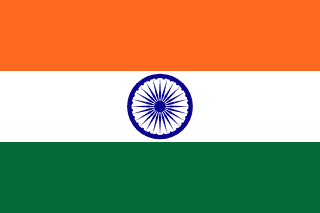
India flag

Moving to India

India flag

Moving to India can be an adventure for families seeking work, study, or family reunification. With its rich culture and diverse landscapes, India has a distinct setup for expatriates. Whether you plan to work in tech hubs like Bengaluru or study in historic cities like Jaipur, understanding the local landscape is important. The first 90 days will involve adjustment as you learn about customs, language, and daily life in your new home.\n\nBefore booking travel, confirm your visa status and entry conditions. The Indian immigration system is managed by the Bureau of Immigration, and various visa options are available based on your purpose of stay. This guide covers navigate the essential steps for a easier move into life in India.

Last updated 2026-05-17Official immigration portal

Review due soon

MigrantIQ research desk3 min readData confidence: 82/100

15 published visa guides

Capital

New Delhi

Region

Asia (Southern Asia)

Currency

INR

Cost of Living Index

18.9

Net Monthly Salary

4431

Healthcare

Mixed

Safety Index

N/A

Rent Index

4.3

Quality Index

5.5

India's cost of living index is relatively low at 18.9, making it an affordable destination for many expatriates. The rent index is 4.3, indicating manageable housing costs compared to major cities in Western countries. With a typical net monthly salary of 4,431 INR, many individuals may find their earnings cover living expenses, though costs can vary significantly by city and region. Research specific areas for a clearer picture of local pricing.\n\nWhile some cities may have lower living costs, metropolitan areas may have higher prices. Plan your budget accordingly and consider potential variations in expenses.

Country Profile

In-depth facts & data for India· Updated 2026-06-02

8 topics

India - "Bharat" to most Indians - is the seventh largest country in the world. The Lakshadweep Islands off the southwest coast and the Andaman and Nicobar Islands, 750 miles off the southeast coast in the Bay of Bengal, belong to India. India stretches more than 2,000 miles from Jammu and Kashmir in the north to the s…

For planning only. Always verify immigration and legal rules on official government sites.

Verified immigration updates for India

Government jobs in India

All government jobs for India

Official Languages

Hindi 43.6%Bengali 8%Marathi 6.9%Telugu 6.7%Tamil 5.7%Gujarati 4.6%Urdu 4.2%Kannada 3.6%Odia 3.1%Malayalam 2.9%Punjabi 2.7%Assamese 1.3%Maithili 1.1%other 5.6%note - English enjoys the status of subsidiary official language but is the most important language for nationalpoliticaland commercial communicationthere are 22 other officially recognized languages: AssameseBengaliBodoDogriGujaratiHindiKannadaKashmiriKonkaniMaithiliMalayalamManipuriMarathiNepaliOdiaPunjabiSanskritSantaliSindhiTamilTeluguUrduHindustani is a popular variant of Hindi/Urdu spoken widely throughout northern India but is not an official language

Official Links

The official e-Visa portal is essential for obtaining the correct visa for your stay in India. Be cautious of lookalike sites that may charge fees for forms available for free through official channels.

Newcomer Checklist

  • - Prepare temporary housing and proof of address where required
  • - Set up local phone, banking, tax, and health coverage steps
  • - Save emergency numbers, official portals, and scam-reporting channels
  • - Learn about local customs and cultural practices
  • - Research local transportation options and routes
  • - Connect with local expatriate communities for support and advice
  • - Learn basic phrases in Hindi or the local language to ease communication

Local Services & Setup

Healthcare access: Limited

Health waiting period: 180 day(s)

Settlement Funds & Financial Notes

Settlement funds: No formal savings requirement for most visas. Employment Visa requires minimum USD 25,000/year salary. Investor Visa requires demonstrable investment capital. India's very low cost of living means moderate foreign income goes far.

India's financial system for foreigners involves: PAN card (essential for tax compliance and banking), bank account opening (requires Employment/Business Visa, PAN, proof of address — Axis Bank and ICICI are most foreigner-friendly), UPI payments (India's digital payment system — ubiquitous and essential), and FEMA compliance for foreign investments. Budget EUR 1,000-3,000 for visa, legal, and setup costs. India's financial year runs April-March. Hiring a chartered accountant (CA) is essential for tax filing — costs EUR 200-500/year.

When settling in India, establish proof of funds and set up a local bank account for daily transactions. While many places accept cash, digital payments are becoming more common, making a local bank account convenient. Securing health coverage is also important, as access to healthcare can be limited for immigrants. Understand the health waiting period and consider private health insurance for a easier move.

City-Level Cost Snapshot

CitySingle monthlyFamily monthly1BR center
Bangalore€800€1,800€350
New Delhi / NCR€1,000€2,200€400
Mumbai€1,200€2,500€500

Who Qualifies Best

  • Healthcare WorkersDifficult

    Best visa: Employment Visa with hospital/institution sponsorship

  • InvestorsModerate

    Best visa: Business Visa or Investor Visa; OCI if eligible

  • Remote WorkersDifficult

    Best visa: No suitable visa — Tourist/Business Visa used informally; OCI if eligible

  • RetireesDifficult

    Best visa: OCI Card (if eligible through Indian origin or marriage); otherwise no suitable visa

  • Skilled TradesVery Difficult

    Best visa: Employment Visa with employer sponsorship (rare)

  • Tech WorkersModerate

    Best visa: Employment Visa with employer sponsorship; OCI if eligible

  • Work

    Professionals seeking career opportunities in a growing economy.

  • Study

    Students looking for diverse academic programs and cultural experiences.

  • Family

    Families reuniting with loved ones or seeking new beginnings.

Official vs Reality

Bureaucracy

Official: India is digitizing government services through India Stack and Digital India

Reality: India's bureaucracy is simultaneously modernizing and deeply traditional. Online systems (e-Visa, FRRO, income tax filing) have improved significantly. However, many processes still require in-person visits, physical document submissions, and multiple stamps. FRRO registration is mandatory and can be a multi-day process. Getting a PAN card, opening a bank account, and obtaining a SIM card all involve document verification. The system is navigable but requires patience, local knowledge, and often a fixer. Hiring a local consultant or CA is not optional — it's essential.

Cost of Living

Official: India is one of the world's most affordable countries

Reality: Genuinely true. India's purchasing power index of 78.5 means your money goes extremely far. Domestic help (cook, cleaner, driver) is affordable (EUR 50-150/month each), making daily life comfortable in ways that are impossible in the West at similar price points. However, 'Western lifestyle' costs more — imported goods are expensive, premium apartments in South Mumbai or Gurgaon rival mid-range European prices, and international schools cost EUR 5,000-15,000/year. The biggest value proposition is the hybrid approach: modern apartment in a good area, domestic help, local food and markets, with selective Western comforts.

English and Communication

Official: English is widely used in Indian business and government

Reality: English functions well in business contexts, government offices, hospitals, and urban environments. India has one of the world's largest English-speaking populations. However, English proficiency varies significantly by region, education level, and setting. In tier-1 cities (Delhi, Mumbai, Bangalore, Chennai, Hyderabad), English is perfectly adequate for daily life. In smaller cities and rural areas, Hindi (or regional languages) is dominant. Indian English has its own conventions and vocabulary — but is fully functional for communication. This is a significant advantage over non-English-speaking Asian destinations.

Safety

Official: India is improving safety and security for foreigners

Reality: Safety in India is highly location-dependent. Major business districts (Connaught Place in Delhi, BKC in Mumbai, MG Road in Bangalore) are generally safe. Women face additional safety concerns — harassment and unwanted attention are more common than in Western countries. Petty crime (pickpocketing, scams) exists in tourist areas. Traffic is chaotic and road accidents are a genuine risk. Pollution (particularly in Delhi during winter — AQI regularly exceeds 300) is a health concern. The peace index of 2.9 reflects broader security challenges. South India (Bangalore, Kerala, Tamil Nadu) is generally considered safer and cleaner.

Neglecting Visa Requirements

One common mistake is not fully understanding the visa requirements. Ensure you have the correct visa type for your purpose of stay, as overstaying or working on the wrong visa can lead to complications.

Underestimating Cultural Differences

Many newcomers underestimate the cultural differences they will encounter. Take time to learn about local customs and etiquette to avoid unintentional offenses.

Forgetting to Set Up Local Services

Another mistake is forgetting to set up essential local services, such as banking and mobile phone plans, before arriving. This can lead to unnecessary stress during your initial days in India.

Sources & References

Country data is a planning aid. Official government sources override MigrantIQ summaries for immigration, legal, tax, health, and emergency rules.

  • Bureau of Immigration / Indian Mission e-Visa portal

    Primary portal for visas, entry rules, and residency.

  • World Bank Open Data

    GDP, growth, and macro indicators where shown on this profile.

  • Numbeo cost of living

    Cost-of-living indices and rent signals where available.

  • MigrantIQ country profile

    Editorial summary. Last updated 2026-05-28.

  • World Bank and public data sources

    Used for economic and country-level indicators where available.

  • Numbeo and public cost datasets

    Used for cost-of-living signals for India where available.

Foreign embassies in India

436 active diplomatic missions in our directory. Sample listings below.

Browse all embassies in India

Feedback

Was this guide helpful?

Your answer helps us improve guides and update priority.

Summarize this page with AI

Opens your assistant with a pre-filled prompt (ChatGPT, Perplexity, Claude). Gemini uses Google AI Mode.

Not affiliated with any AI platform. Always verify immigration rules on official government sites.

Frequently Asked Questions

India offers various visa types, including Business, Employment, and Family Visas. You should choose the right one based on your purpose of stay and check the specific requirements for each.

Finding housing in India can be done through online platforms, local real estate agents, or expatriate networks. It's advisable to visit potential neighborhoods to get a feel for the area before making a commitment.

Healthcare access for immigrants in India can be limited, so you should secure health insurance that covers your needs. Be aware of the waiting period for certain health services and plan accordingly.

Related India Guides

Share MigrantIQ

Help others find free migration guides, Q&A, checklists, and scam alerts.

Plan smarter

Save countries, compare destinations, track visa checklists, and sync your migration plan across devices.