Neglecting Visa Requirements
Not fully understanding visa requirements before arrival can lead to complications. Ensure you have the correct visa for your purpose, whether work, study, or family reunification.

⚡ Quick Answer
Immigration rules and fees change frequently — confirm current requirements on official government or embassy websites.
El Salvador is a destination for families and individuals considering relocation for work, study, family reunification, or tourism. With its active culture and beautiful landscapes, it offers a unique experience for newcomers. Understanding the immigration process and living conditions is essential for a easier move, especially during the first 90 days after arrival. This guide outlines the essentials of moving to El Salvador, focusing on common pathways for immigrants and initial steps upon arrival.\n\nBefore booking your travel, confirm your visa status and entry conditions to ensure you have the necessary documentation for legal entry. Learn about local customs and regulations to ease your integration into Salvadoran society. If you are moving for work, study, or family reasons, having a clear plan will help you settle in quickly.
Review due soon
9 published visa guides
Quick signals for cost of living, salary, healthcare, and safety before you dig into visas and settlement.
Capital
San Salvador
Region
Americas (Central America)
Currency
USD
Cost of Living Index
39.6
Net Monthly Salary
1862
Healthcare
Mixed
Safety Index
N/A
Rent Index
16.6
Quality Index
N/A
El Salvador has a low cost of living, with a cost of living index of 39.6, making it an attractive option for those looking to manage their budget. The rent index is low at 16.6, indicating affordable housing costs. The typical net monthly salary is around $1,862, which can provide a decent standard of living depending on your lifestyle. Costs can vary significantly by city and region, so it's advisable to research specific areas to find the best fit for your budget.
In-depth facts & data for living in El Salvador on this page· Updated 2026-06-02
El Salvador, with an area of 8,260 square miles, is the smallest independent state in Central America. El Salvador is rectangular in shape, 60 miles wide and 160 miles long. El Salvador has 350 rivers. The largest, the Rio Lempa, flows 150 miles from northern to central El Salvador, forming one of the most important Pa…
For planning only. Always verify immigration and legal rules on official government sites.
Population size, age structure, migration, ethnicity, language, education, and health indicators.
245 words of country-specific briefing for moving to El Salvador. Figures that affect visas or tax should still be checked on official sites.
Demographics & population in El Salvador for people weighing a move, not a tourist recap. The notes below use El Salvador-specific planning fields. Detailed profile figures sit in the Key facts section under this topic.
El Salvador sits in Central America, Americas, with San Salvador as the capital. Common working and school languages in the dataset include Spanish (official) and Nawat (among some Indigenous). English proficiency is listed as medium. Population and age figures on this page are planning signals, not a substitute for census releases or visa eligibility rules.
El Salvador, with an area of 8,260 square miles, is the smallest independent state in Central America. El Salvador is rectangular in shape, 60 miles wide and 160 miles long. El Salvador has 3
Early practical steps people actually use in El Salvador include: Confirm visa status and entry conditions before booking travel; Prepare temporary housing and proof of address where required; Set up local phone, banking, tax, and health coverage steps; Save emergency numbers, official portals, and scam-reporting channels. Treat the list as a reminder, not a filing checklist.
When a number on this page could change a visa or tax outcome, open https://www.migracion.gob.sv/ (Dirección General de Migración y Extranjería El Salvador) and match the current instruction. MigrantIQ is a planning aid, not a government filing system.
Key facts for this topic cover: Population overview; Age & family; Migration; Ethnicity & language; Education; Health & living conditions. Expand each card for the structured figures.
6 facts — expand for details.
13 facts — expand for details.
2 facts — expand for details.
Mestizo 86.3%, White 12.7%, Indigenous 0.2% (includes Lenca, Kakawira, Nahua-Pipil), Black 0.1%, other 0.6%
Spanish (official), Nawat (among some Indigenous)
6 facts — expand for details.
14 facts — expand for details.
GDP, employment, industries, public finance, and currency.
228 words of country-specific briefing for moving to El Salvador. Figures that affect visas or tax should still be checked on official sites.
Economy in El Salvador for people weighing a move, not a tourist recap. The notes below use El Salvador-specific planning fields. Detailed profile figures sit in the Key facts section under this topic.
People comparing El Salvador with other destinations usually start with wages, rent, and tax, not headline GDP. GDP per capita in the planning dataset is about 8,900. Recent growth is listed at 2.4 percent. Unemployment is listed at 5.5 percent. A typical net monthly salary signal is 1,862. The cost-of-living index is 40. The rent index is 17. A city-centre 1-bed rent signal is 531. A monthly groceries signal is 212. Purchasing-power index: 32. Local currency code: USD. City prices vary, and these indexes do not replace a job offer or a proof-of-funds check.
El Salvador, with an area of 8,260 square miles, is the smallest independent state in Central America. El Salvador is rectangular in shape, 60 miles wide and 160 miles long. El Salvador has 3
When a number on this page could change a visa or tax outcome, open https://www.migracion.gob.sv/ (Dirección General de Migración y Extranjería El Salvador) and match the current instruction. MigrantIQ is a planning aid, not a government filing system.
Key facts for this topic cover: Economic overview; GDP & growth; Prices & money; Employment & labor; Labor by occupation; Public finance. Expand each card for the structured figures.
4 facts — expand for details.
9 facts — expand for details.
4 facts — expand for details.
9 facts — expand for details.
3 facts — expand for details.
4 facts — expand for details.
Government structure, legal system, citizenship, and international relations.
243 words of country-specific briefing for moving to El Salvador. Figures that affect visas or tax should still be checked on official sites.
Government & politics in El Salvador for people weighing a move, not a tourist recap. The notes below use El Salvador-specific planning fields. Detailed profile figures sit in the Key facts section under this topic.
El Salvador's government and legal structure matters for visas, ID, tax residence, and later naturalization. The immigration authority in our records is Dirección General de Migración y Extranjería El Salvador. Confirm current forms and fees on https://www.migracion.gob.sv/. In the planning dataset, permanent residence is listed at 1 years of qualifying stay; dual citizenship is listed as restricted.
El Salvador, with an area of 8,260 square miles, is the smallest independent state in Central America. El Salvador is rectangular in shape, 60 miles wide and 160 miles long. El Salvador has 3
Early practical steps people actually use in El Salvador include: Confirm visa status and entry conditions before booking travel; Prepare temporary housing and proof of address where required; Set up local phone, banking, tax, and health coverage steps; Save emergency numbers, official portals, and scam-reporting channels. Treat the list as a reminder, not a filing checklist.
When a number on this page could change a visa or tax outcome, open https://www.migracion.gob.sv/ (Dirección General de Migración y Extranjería El Salvador) and match the current instruction. MigrantIQ is a planning aid, not a government filing system.
Key facts for this topic cover: Identity & names; Political system; Capital & time; International role. Expand each card for the structured figures.
7 facts — expand for details.
10 facts — expand for details.
San Salvador
13 42 N, 89 12 W
UTC-6 (1 hour behind Washington, DC, during Standard Time)
4 facts — expand for details.
Location, land area, terrain, climate, and natural resources.
166 words of country-specific briefing for moving to El Salvador. Figures that affect visas or tax should still be checked on official sites.
Geography & environment in El Salvador for people weighing a move, not a tourist recap. The notes below use El Salvador-specific planning fields. Detailed profile figures sit in the Key facts section under this topic.
El Salvador's capital is San Salvador in Central America, Americas. Traffic keeps to the right. Geography here is for settlement planning: climate, distance to work, and which city you can actually afford, not a travel brochure.
El Salvador, with an area of 8,260 square miles, is the smallest independent state in Central America. El Salvador is rectangular in shape, 60 miles wide and 160 miles long. El Salvador has 3
When a number on this page could change a visa or tax outcome, open https://www.migracion.gob.sv/ (Dirección General de Migración y Extranjería El Salvador) and match the current instruction. MigrantIQ is a planning aid, not a government filing system.
Key facts for this topic cover: Location & size; Physical geography; Climate & time; Climate; Environment. Expand each card for the structured figures.
8 facts — expand for details.
6 facts — expand for details.
UTC-6 (1 hour behind Washington, DC, during Standard Time)
5 facts — expand for details.
deforestation; soil erosion; water pollution; contamination of soils from disposal of toxic wastes
party to: Biodiversity, Climate Change, Climate Change-Kyoto Protocol, Desertification, Endangered Species, Hazardous Wastes, Ozone Layer Protection, Wetlands signed, but not ratified: Law of the Sea
Imports, exports, and trading partners.
168 words of country-specific briefing for moving to El Salvador. Figures that affect visas or tax should still be checked on official sites.
Trade in El Salvador for people weighing a move, not a tourist recap. The notes below use El Salvador-specific planning fields. Detailed profile figures sit in the Key facts section under this topic.
Trade figures for El Salvador help explain which industries hire, which ports matter, and how imported goods show up in grocery prices. Settlements and contracts usually run in USD. They are not a visa pathway. Work permission still depends on the destination's immigration rules.
El Salvador, with an area of 8,260 square miles, is the smallest independent state in Central America. El Salvador is rectangular in shape, 60 miles wide and 160 miles long. El Salvador has 3
When a number on this page could change a visa or tax outcome, open https://www.migracion.gob.sv/ (Dirección General de Migración y Extranjería El Salvador) and match the current instruction. MigrantIQ is a planning aid, not a government filing system.
Key facts for this topic cover: Trade overview; Trading partners; Partners (summary). Expand each card for the structured figures.
4 facts — expand for details.
US 47.1%, Honduras 13.9%, Guatemala 13.6%, Nicaragua 6.6%, Costa Rica 4.5%
US 39.4%, Guatemala 9.6%, China 8.1%, Mexico 7.4%, Honduras 5.7%
US 47.1%, Honduras 13.9%, Guatemala 13.6%, Nicaragua 6.6%, Costa Rica 4.5%
US 39.4%, Guatemala 9.6%, China 8.1%, Mexico 7.4%, Honduras 5.7%
Safety, crime, medical care, and travel conditions for visitors and newcomers.
244 words of country-specific briefing for moving to El Salvador. Figures that affect visas or tax should still be checked on official sites.
Travel & safety in El Salvador for people weighing a move, not a tourist recap. The notes below use El Salvador-specific planning fields. Detailed profile figures sit in the Key facts section under this topic.
Safety in El Salvador is local. Neighbourhood, night transport, and documentation checks matter more than a single country score. Tap water is listed as generally safe in the planning dataset. Healthcare system type: Mixed. Immigrant health access note: Limited. Health coverage waiting period in the dataset: 90 days. Read current travel advice from your origin government before you book.
El Salvador, with an area of 8,260 square miles, is the smallest independent state in Central America. El Salvador is rectangular in shape, 60 miles wide and 160 miles long. El Salvador has 3
Early practical steps people actually use in El Salvador include: Confirm visa status and entry conditions before booking travel; Prepare temporary housing and proof of address where required; Set up local phone, banking, tax, and health coverage steps; Save emergency numbers, official portals, and scam-reporting channels. Treat the list as a reminder, not a filing checklist.
When a number on this page could change a visa or tax outcome, open https://www.migracion.gob.sv/ (Dirección General de Migración y Extranjería El Salvador) and match the current instruction. MigrantIQ is a planning aid, not a government filing system.
Key facts for this topic cover: Before you travel; Crime & law; Health & roads. Expand each card for the structured figures.
2 facts — expand for details.
2 facts — expand for details.
2 facts — expand for details.
Transport, communications, and energy.
168 words of country-specific briefing for moving to El Salvador. Figures that affect visas or tax should still be checked on official sites.
Infrastructure in El Salvador for people weighing a move, not a tourist recap. The notes below use El Salvador-specific planning fields. Detailed profile figures sit in the Key facts section under this topic.
Infrastructure in El Salvador affects commute time, remote work, and whether a city is livable in the first 90 days. Typical internet speed in the dataset is 15 Mbps. Airports, rail, and roads on this page are inventory, not a promise that your neighbourhood is well served.
El Salvador, with an area of 8,260 square miles, is the smallest independent state in Central America. El Salvador is rectangular in shape, 60 miles wide and 160 miles long. El Salvador has 3
When a number on this page could change a visa or tax outcome, open https://www.migracion.gob.sv/ (Dirección General de Migración y Extranjería El Salvador) and match the current instruction. MigrantIQ is a planning aid, not a government filing system.
Key facts for this topic cover: Transportation; Communications; Energy. Expand each card for the structured figures.
7 facts — expand for details.
7 facts — expand for details.
6 facts — expand for details.
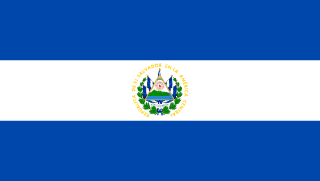
Anthem and national symbols.
151 words of country-specific briefing for moving to El Salvador. Figures that affect visas or tax should still be checked on official sites.
National symbols in El Salvador for people weighing a move, not a tourist recap. The notes below use El Salvador-specific planning fields. Detailed profile figures sit in the Key facts section under this topic.
National symbols for El Salvador are background for civic life and ceremonies. They do not change visa rules. Use the government and visa pages for status, work, and stay conditions.
El Salvador, with an area of 8,260 square miles, is the smallest independent state in Central America. El Salvador is rectangular in shape, 60 miles wide and 160 miles long. El Salvador has 3
When a number on this page could change a visa or tax outcome, open https://www.migracion.gob.sv/ (Dirección General de Migración y Extranjería El Salvador) and match the current instruction. MigrantIQ is a planning aid, not a government filing system.
Key facts for this topic cover: National anthem. Expand each card for the structured figures.
3 facts — expand for details.
Verified immigration updates for El Salvador →
Official immigration portal for visas, entry rules, and residency steps.
The official portal of the Dirección General de Migración y Extranjería El Salvador provides accurate and up-to-date information on immigration processes. Be cautious of lookalike websites that may charge fees for forms available for free.
Healthcare access: Limited
Health waiting period: 90 day(s)
When relocating to El Salvador, ensure you have sufficient proof of funds to support yourself during your initial days. Setting up a local bank account will help you manage your finances. Understand local tax regulations to avoid legal issues. Establishing reliable health coverage is essential, especially given limited access to healthcare for immigrants.
Monthly living-cost signals in USD. Figures are planning estimates — rent and lifestyle vary by neighbourhood.
| City | Single monthly (USD) | Family monthly (USD) | 1BR center (USD) |
|---|---|---|---|
| Capital city | $923 | $1,891 | $321 |
Educational wage-tax examples from the MigrantIQ tax calculator in USD. Not filing software — confirm with official rules and a licensed adviser.
Entry / mid offer
Gross $50,000
$37,106net / year
~$3,092 / month · effective 25.8%
Solid mid career
Gross $75,000
$53,856net / year
~$4,488 / month · effective 28.2%
High earner
Gross $150,000
$104,106net / year
~$8,676 / month · effective 30.6%
Open El Salvador tax calculator → · compare take-home vs other destinations
Country hub: /countries/el-salvador/ · Tax year 2026. State or provincial tax may apply on top of federal models.
Ideal for professionals seeking job opportunities in a growing economy.
Great for students looking for affordable education in a culturally rich environment.
Suitable for families aiming to reunite with loved ones or seeking a new life together.
Perfect for tourists exploring the beauty and culture of Central America.
Not fully understanding visa requirements before arrival can lead to complications. Ensure you have the correct visa for your purpose, whether work, study, or family reunification.
Many newcomers underestimate the importance of Spanish. While some locals may speak English, learning basic Spanish phrases can enhance your experience and integration.
Failing to respect local customs can lead to misunderstandings. Take time to learn about Salvadoran culture and etiquette for positive interactions.
Country data is a planning aid. Official government sources override MigrantIQ summaries for immigration, legal, tax, health, and emergency rules.
Summary profile maintained for planning. Last updated 2026-05-07.
Used for economic and country-level indicators where available.
Used for cost-of-living signals for El Salvador where available.
56 active diplomatic missions in our directory. Sample listings below.
Feedback
Was this guide helpful?
Your answer helps us improve guides and update priority.
Summarize this page with AI
Opens your assistant with a pre-filled prompt (ChatGPT, Perplexity, Claude). Gemini uses Google AI Mode.
Not affiliated with any AI platform. Always verify immigration rules on official government sites.
El Salvador offers various visa options, including Business/Investor Visas, Work Permits, Family Visas, and Student Visas. Choose the one that aligns with your purpose for moving.
Healthcare access for immigrants can be limited, so it's advisable to obtain health coverage as soon as possible. Learn about the mixed healthcare system and available services.
The cost of living in El Salvador is relatively low, with a cost of living index of 39.6. However, costs can vary by region, so research specific areas to find one that suits your budget.
Share MigrantIQ
Help others find free migration guides, Q&A, checklists, and scam alerts.
Plan smarter
Save countries, compare destinations, track visa checklists, and sync your migration plan across devices.
Free resources