
 Moving to Afghanistan
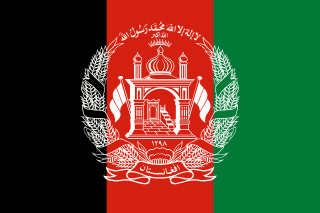
Afghanistan is a landlocked country. Because of its geographic location, it has served as a crossroads for traders and conquerors from all points on the compass, and its people reflect the di
Recently verified
7 published visa guides
Capital
Kabul
Region
Asia (Southern Asia)
Currency
AFN
Cost of Living Index
21.1
Net Monthly Salary
2355
Healthcare
Out-of-Pocket
Safety Index
N/A
Rent Index
2.3
Quality Index
N/A
Country Profile
In-depth facts & data for Afghanistan· Updated 2026-06-02
Afghanistan is a landlocked country. Because of its geographic location, it has served as a crossroads for traders and conquerors from all points on the compass, and its people reflect the diversity resulting from these major migrations and invasions. Afghanistan's recorded history begins about 2000 B.C. and traces of…
For planning only. Always verify immigration and legal rules on official government sites.
Verified immigration updates for Afghanistan →
Government jobs in Afghanistan
- Afghanistan Government Jobs · Afghanistan public employment authority
Official Languages
Official Links
- Afghanistan e-Visa Portal
Official immigration portal for visas, entry rules, and residency steps.
Newcomer Checklist
- - Confirm visa status and entry conditions before booking travel
- - Prepare temporary housing and proof of address where required
- - Set up local phone, banking, tax, and health coverage steps
- - Save emergency numbers, official portals, and scam-reporting channels
Local Services & Setup
Banking: Confirm newcomer-friendly banks locally.
Fintech: Confirm available local payment apps.
Healthcare access: None
Health waiting period: -1 day(s)
Emergency & Safety
Save local emergency, police, medical, embassy, and fraud-reporting contacts after arrival. Check official government portals before relying on third-party lists.
Crime index: N/A · Safety index: N/A
Settlement Funds & Financial Notes
Settlement funds guidance is being added for this country.
City-Level Cost Snapshot
| City | Single monthly | Family monthly | 1BR center |
|---|---|---|---|
| Capital | €530 | €1,300 | €180 |
Who Qualifies Best
Qualification profile data is being added for this country.
Official vs Reality
Reality-check comparisons are being added for this country.
Sources & References
Country data is a planning aid. Official government sources override MigrantIQ summaries for immigration, legal, tax, health, and emergency rules.
- Afghanistan e-Visa Portal
Primary portal for visas, entry rules, and residency.
- World Bank Open Data
GDP, growth, and macro indicators where shown on this profile.
- Numbeo cost of living
Cost-of-living indices and rent signals where available.
- MigrantIQ country profile
Editorial summary. Last updated 2026-05-28.
- World Bank and public data sources
Used for economic and country-level indicators where available.
- Numbeo and public cost datasets
Used for cost-of-living signals for Afghanistan where available.
Foreign embassies in Afghanistan
43 active diplomatic missions in our directory. Sample listings below.
- Consulate of Tajikistan in Fayzabad, Afghanistan — 🇹🇯 Tajikistan, Fayzabad
- Consulate General of India in Herat, Afghanistan — 🇮🇳 India, Herat
- Consulate General of Iran in Herat, Afghanistan — 🇮🇷 Iran, Herat
- Consulate General of Pakistan in Herat, Afghanistan — 🇵🇰 Pakistan, Herat
- Consulate of Turkmenistan in Herat, Afghanistan — 🇹🇲 Turkmenistan, Herat
Feedback
Was this guide helpful?
Your answer helps us improve guides and update priority.
Summarize this page with AI
Opens your assistant with a pre-filled prompt (ChatGPT, Perplexity, Claude). Gemini uses Google AI Mode.
Not affiliated with any AI platform. Always verify immigration rules on official government sites.
Frequently Asked Questions
Verify your visa pathway, legal rights and duties, expected monthly costs, and safe housing setup before travel.
Use the scam alerts section for active patterns and red flags, then confirm every paid service through official channels.
Start with visa eligibility, then create a realistic budget and shortlist temporary housing. Banking setup usually follows legal arrival steps.